50-173-0818
WRNIP1 Rabbit anti-Human, Mouse, Rat, Polyclonal, Proteintech
Manufacturer: Proteintech Group Inc
Select a Size
| Pack Size | SKU | Availability | Price |
|---|---|---|---|
| Each of 1 | 50-173-0818-Each-of-1 | In Stock | ₹ 44,150.23 |
50-173-0818 - Each of 1
In Stock
Quantity
1
Base Price: ₹ 44,150.23
GST (18%): ₹ 7,947.041
Total Price: ₹ 52,097.271
Antigen
WRNIP1
Classification
Polyclonal
Conjugate
Unconjugated
Gene
WRNIP1
Gene Alias
ATPase WRNIP1, RP11 420G6.2, WHIP, WRNIP1
Host Species
Rabbit
Purification Method
Antigen Affinity Chromatography
Regulatory Status
RUO
Gene ID (Entrez)
282835, 56897, 78903
Content And Storage
-20°C
Form
Liquid
Applications
Western Blot
Concentration
0.38 mg/mL
Formulation
PBS with 50% glycerol and 0.02% sodium azide; pH 7.3
Gene Accession No.
Q8CG07, Q91XU0, Q96S55
Gene Symbols
Wrnip1
Immunogen
WRNIP1 Fusion Protein Ag9040
Quantity
150 μL
Primary or Secondary
Primary
Target Species
Human, Mouse, Rat
Product Type
Antibody
Isotype
IgG
Related Products

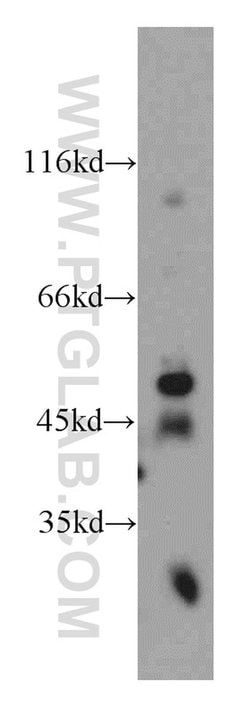
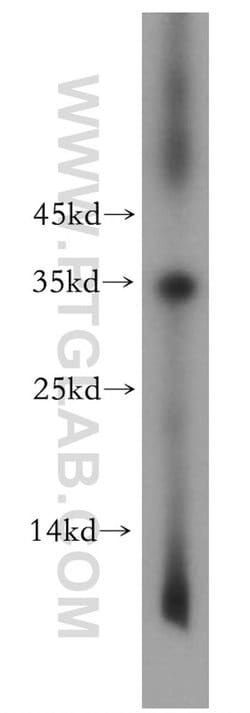
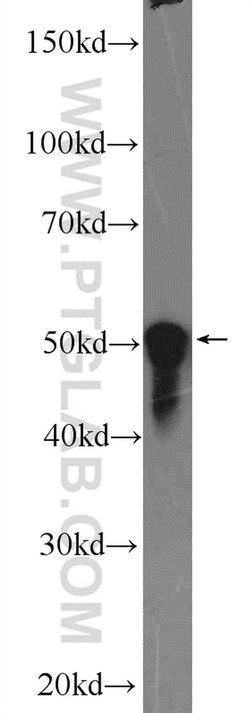
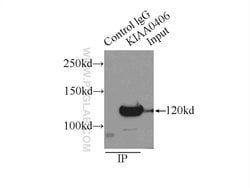

Description
- Werner′s syndrome is a rare autosomal recessive disorder characterized by accelerated aging that is caused by defects in the Werner syndrome ATP-dependent helicase gene (WRN)
- The protein encoded by this gene interacts with the exonuclease-containing N-terminal portion of the Werner protein
- This protein has a ubiquitin-binding zinc-finger domain in the N-terminus, an ATPase domain, and two leucine zipper motifs in the C-terminus
- It has sequence similarity to replication factor C family proteins and is conserved from E
- coli to human
- This protein likely accumulates at sites of DNA damage by interacting with polyubiquinated proteins and also binds to DNA polymerase delta and increases the initiation frequency of DNA polymerase delta-mediated DNA synthesis
- This protein also interacts with nucleoporins at nuclear pore complexes
- Two transcript variants encoding different isoforms have been isolated for this gene.