50-173-6876
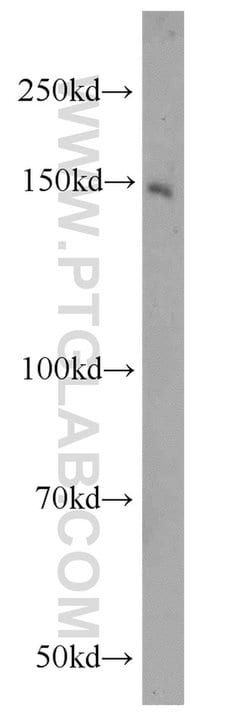
TNFSF9 Mouse anti-Human, Clone: 1B4B1, Proteintech
Manufacturer: Proteintech Group Inc
Select a Size
| Pack Size | SKU | Availability | Price |
|---|---|---|---|
| Each of 1 | 50-173-6876-Each-of-1 | In Stock | ₹ 44,150.23 |
50-173-6876 - Each of 1
In Stock
Quantity
1
Base Price: ₹ 44,150.23
GST (18%): ₹ 7,947.041
Total Price: ₹ 52,097.271
Antigen
TNFSF9
Classification
Monoclonal
Concentration
1 mg/mL
Formulation
PBS with 50% glycerol and 0.02% sodium azide; pH 7.3
Gene Accession No.
P41273
Gene Symbols
TNFSF9
Immunogen
TNFSF9 Fusion Protein Ag12768
Quantity
150 μL
Primary or Secondary
Primary
Target Species
Human
Product Type
Antibody
Isotype
IgG1
Applications
Western Blot
Clone
1B4B1
Conjugate
Unconjugated
Gene
TNFSF9
Gene Alias
4 1BB L, 4 1BB ligand, 4 1BBL, CD137L, TNFSF9
Host Species
Mouse
Purification Method
Protein G
Regulatory Status
RUO
Gene ID (Entrez)
8744
Content And Storage
-20°C
Form
Liquid
Related Products
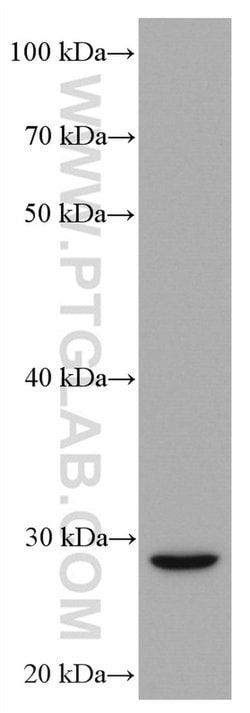


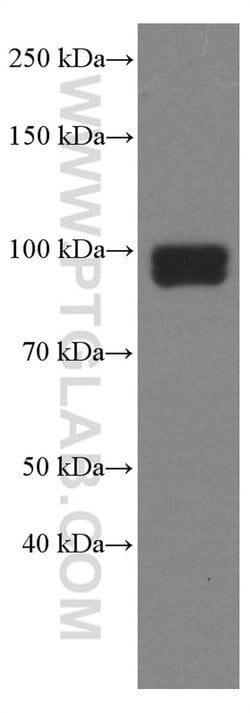
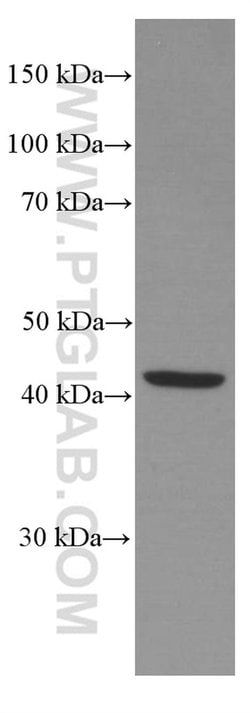
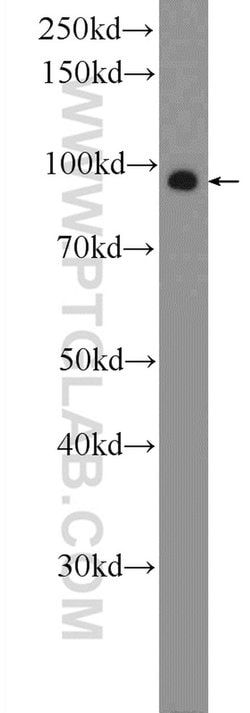

Description
- The protein encoded by this gene is a cytokine that belongs to the tumor necrosis factor (TNF) ligand family
- This transmembrane cytokine is a bidirectional signal transducer that acts as a ligand for TNFRSF9/4-1BB, which is a costimulatory receptor molecule in T lymphocytes
- This cytokine and its receptor are involved in the antigen presentation process and in the generation of cytotoxic T cells
- The receptor TNFRSF9/4-1BB is absent from resting T lymphocytes but rapidly expressed upon antigenic stimulation
- The ligand encoded by this gene, TNFSF9/4-1BBL, has been shown to reactivate anergic T lymphocytes in addition to promoting T lymphocyte proliferation
- This cytokine has also been shown to be required for the optimal CD8 responses in CD8 T cells
- This cytokine is expressed in carcinoma cell lines, and is thought to be involved in T cell-tumor cell interaction.