89-021-199
CST3, Mouse, Clone: 2G4, Abnova™
Manufacturer: Abnova Corporation
Select a Size
| Pack Size | SKU | Availability | Price |
|---|---|---|---|
| Each of 1 | 89-021-199-Each-of-1 | In Stock | ₹ 42,898.00 |
89-021-199 - Each of 1
In Stock
Quantity
1
Base Price: ₹ 42,898.00
GST (18%): ₹ 7,721.64
Total Price: ₹ 50,619.64
Antigen
CST3
Classification
Monoclonal
Conjugate
Unconjugated
Dilution
The optimal working dilution should be determined by the end user.
Gene
CST3
Gene Alias
ARMD11/MGC117328
Host Species
Mouse
Purification Method
Affinity chromatography
Regulatory Status
RUO
Gene ID (Entrez)
1471
Content And Storage
Store at -20°C or lower. Aliquot to avoid repeated freezing and thawing.
Form
Liquid
Applications
ELISA
Clone
2G4
Description
Mouse monoclonal antibody raised against a full length native CST3.
Formulation
PBS with no preservative; pH 7.4
Gene Accession No.
P01034
Gene Symbols
CST3
Immunogen
Native purified human CST3.
Quantity
100 μg
Primary or Secondary
Primary
Target Species
Human
Product Type
Antibody
Isotype
IgG1 κ
Related Products
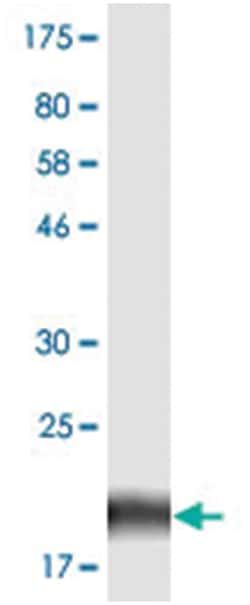
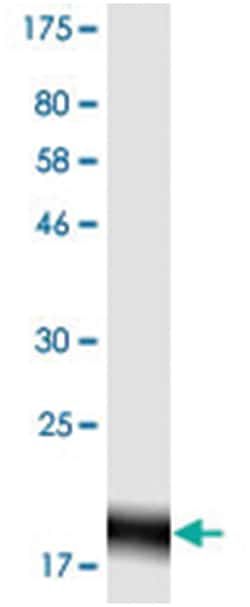
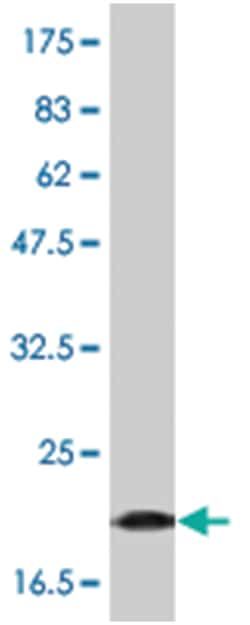
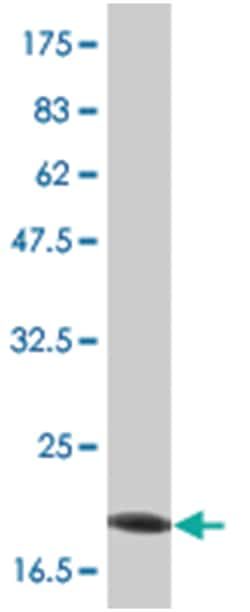
Description
- The cystatin superfamily encompasses proteins that contain multiple cystatin-like sequences
- Some of the members are active cysteine protease inhibitors, while others have lost or perhaps never acquired this inhibitory activity
- There are three inhibitory families in the superfamily, including the type 1 cystatins (stefins), type 2 cystatins and the kininogens
- The type 2 cystatin proteins are a class of cysteine proteinase inhibitors found in a variety of human fluids and secretions, where they appear to provide protective functions
- The cystatin locus on chromosome 20 contains the majority of the type 2 cystatin genes and pseudogenes
- This gene is located in the cystatin locus and encodes the most abundant extracellular inhibitor of cysteine proteases, which is found in high concentrations in biological fluids and is expressed in virtually all organs of the body
- A mutation in this gene has been associated with amyloid angiopathy
- Expression of this protein in vascular wall smooth muscle cells is severely reduced in both atherosclerotic and aneurysmal aortic lesions, establishing its role in vascular disease
- [provided by RefSeq