FEMA550392
Influenza A H1N1 HA (A/California/07/2009) Recombinant Rabbit Monoclonal Antibody (HL2130), Invitrogen™
Manufacturer: Thermo Scientific
Select a Size
| Pack Size | SKU | Availability | Price |
|---|---|---|---|
| Each of 1 | FEMA550392-Each-of-1 | In Stock | ₹ 41,385.00 |
FEMA550392 - Each of 1
In Stock
Quantity
1
Base Price: ₹ 41,385.00
GST (18%): ₹ 7,449.30
Total Price: ₹ 48,834.30
Antigen
Influenza A H1N1 HA (A/California/07/2009)
Classification
Recombinant Monoclonal
Concentration
1 mg/mL
Formulation
PBS with no preservative
Host Species
Rabbit
Purification Method
Protein A
Regulatory Status
RUO
Target Species
Virus
Form
Liquid
Applications
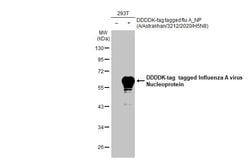
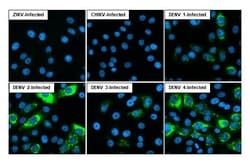
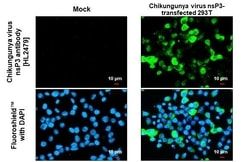
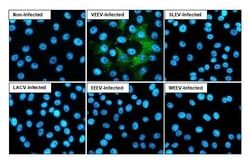
Immunocytochemistry, Western Blot
Clone
HL2130
Conjugate
Unconjugated
Gene Alias
flu hemagglutinin, H1N1 HA, H1N1 hemagglutinin, Influenza H1N1, influenza hemagglutinin
Immunogen
Recombinant fragment of Influenza A virus NS1 (nonstructural protein).
Quantity
100 μL
Primary or Secondary
Primary
Content And Storage
Store at 4°C short term. For long term storage, store at -20°C, avoiding freeze/thaw cycles.
Isotype
IgG
Related Products

Description
- Influenza A virus is a major public health threat, killing more than 30,000 people per year in the USA
- In early 2009, a novel swine-origin influenza A (H1N1) virus was identified in specimens obtained from patients in Mexico and the United States
- The virus spread quickly around the world and on June 11, 2009, the World Health Organization declared it a pandemic
- Influenza A virus has one of sixteen possible Hemagglutinin (HA) surface proteins and one of nine possible Neuraminidase (NA) surface proteins
- The Hemagglutinin protein facilitates viral attachment while Neuraminidase is involved in viral release
- These proteins also elicit immune responses that prevent infection or independently reduce viral replication
- The genetic make-up of this swine flu virus is unlike any other: it is an H1N1 strain that combines a triple assortment first identified in 1998 including human, swine, and avian influenza with two new pig H3N2 virus genes from Eurasia, themselves of recent human origin
- The distinct antigenic properties of the new swine influenza virus compared with seasonal influenza A (H1N1) virus suggest that human immunity against new swine influenza virus is limited, although the age distribution of reported cases suggests some degree of protection in older age groups.