ERV3 Polyclonal Antibody, Invitrogen™
Manufacturer: Thermo Scientific
Select a Size
| Pack Size | SKU | Availability | Price |
|---|---|---|---|
| Each of 1 | PA548577-Each-of-1 | In Stock | ₹ 46,502.50 |
PA548577 - Each of 1
In Stock
Quantity
1
Base Price: ₹ 46,502.50
GST (18%): ₹ 8,370.45
Total Price: ₹ 54,872.95
Antigen
ERV3
Classification
Polyclonal
Conjugate
Unconjugated
Gene
ERV3-1
Gene Alias
endogenous retroviral sequence 3; endogenous retrovirus group 3 member 1; endogenous retrovirus group 3 member 1 Env polyprotein; endogenous retrovirus group 3, member 1; Envelope polyprotein; envR; ERV3; ERV3 envelope protein; ERV-3 envelope protein; ERV3-1; ERV3-1 envelope protein; ERVR; ERV-R; ERV-R envelope protein; HERVR; HERV-R; HERV-R envelope protein; HERV-R_7q21.2 provirus ancestral Env polyprotein; SU; Surface protein; TM; Transmembrane protein
Host Species
Rabbit
Purification Method
Antigen affinity chromatography, Protein A
Regulatory Status
RUO
Gene ID (Entrez)
2086
Content And Storage
-20° C, Avoid Freeze/Thaw Cycles
Form
Liquid
Applications
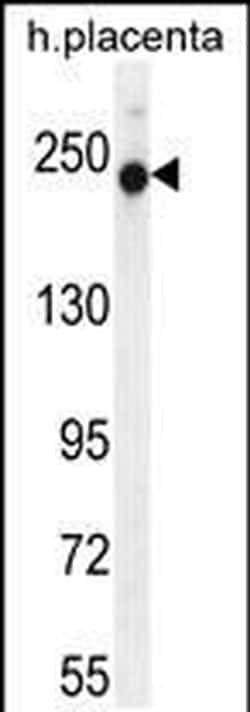
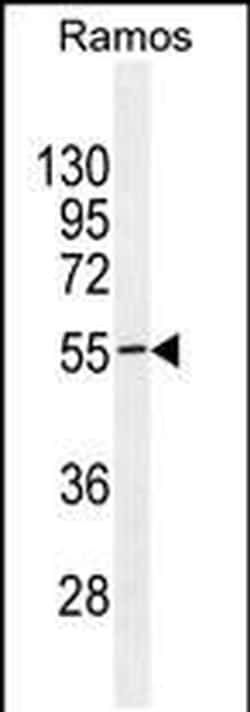
Immunohistochemistry (Paraffin), Western Blot
Concentration
0.5 mg/mL
Formulation
PBS with 0.09% sodium azide
Gene Accession No.
Q14264
Gene Symbols
ERV3-1
Immunogen
KLH conjugated synthetic peptide between 445-474 amino acids from the C-terminal region of human ERV3.
Quantity
400 μL
Primary or Secondary
Primary
Target Species
Human
Product Type
Antibody
Isotype
IgG
Related Products

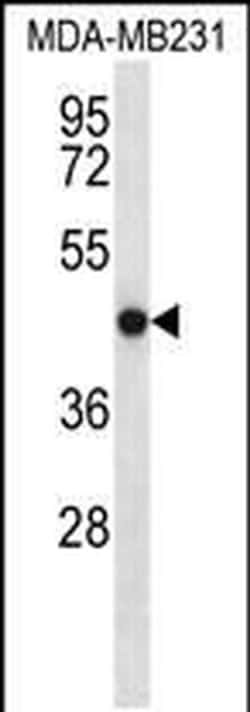
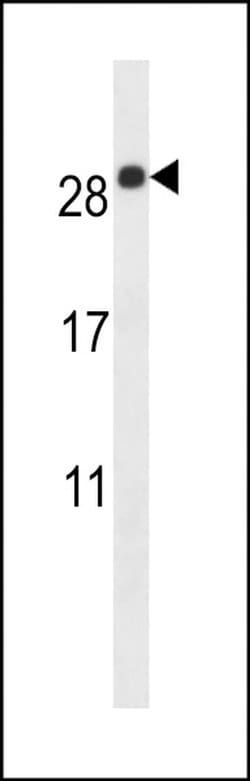

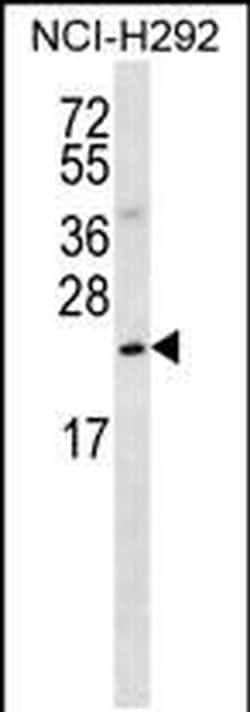
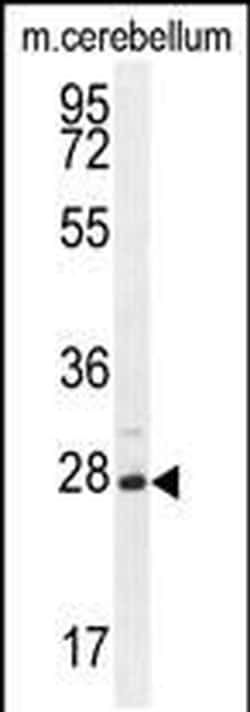
Description
- Retroviral envelope proteins mediate receptor recognition and membrane fusion during early infection
- Endogenous envelope proteins may have kept, lost or modified their original function during evolution
- This endogenous envelope protein has lost its fusogenic properties
- It can inhibit cell growth through decrease expression of cyclin B1 and increased expression of p21 in vitro.