MYST2 Polyclonal Antibody, Invitrogen™
Manufacturer: Thermo Scientific
Select a Size
| Pack Size | SKU | Availability | Price |
|---|---|---|---|
| Each of 1 | PA549777-Each-of-1 | In Stock | ₹ 46,502.50 |
PA549777 - Each of 1
In Stock
Quantity
1
Base Price: ₹ 46,502.50
GST (18%): ₹ 8,370.45
Total Price: ₹ 54,872.95
Antigen
MYST2
Classification
Polyclonal
Conjugate
Unconjugated
Gene
Kat7
Gene Alias
EC 2.3.1.48; HBO1; HBOa; histone acetyltransferase binding to ORC1; Histone acetyltransferase KAT7; histone acetyltransferase MYST2; K (lysine) acetyltransferase 7; K(lysine) acetyltransferase 7; Kat7; Lysine acetyltransferase 7; MOZ, YBF2/SAS3, SAS2 and TIP60 protein 2; MYST histone acetyltransferase 2; MYST protein 2; MYST2; MYST-2; ZC2HC7
Host Species
Rabbit
Purification Method
Antigen affinity chromatography
Regulatory Status
RUO
Gene ID (Entrez)
11143, 217127, 303470
Content And Storage
-20°C
Form
Liquid
Applications
Immunocytochemistry, Western Blot
Concentration
1 mg/mL
Formulation
PBS with 50% glycerol and 0.02% sodium azide; pH 7.4
Gene Accession No.
O95251, Q5SVQ0, Q810T5
Gene Symbols
Kat7
Immunogen
Synthesized peptide derived from internal of human MYST2.
Quantity
100 μL
Primary or Secondary
Primary
Target Species
Human, Mouse, Rat
Product Type
Antibody
Isotype
IgG
Related Products


Description
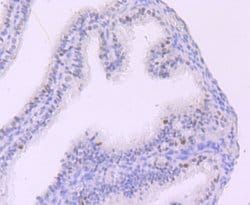
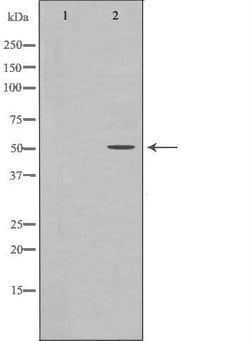
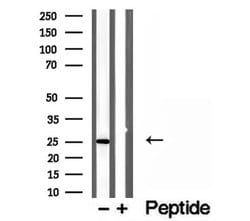
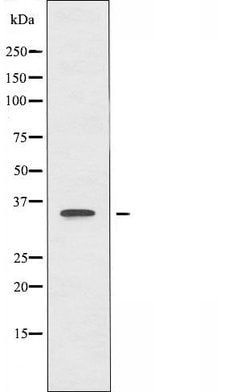
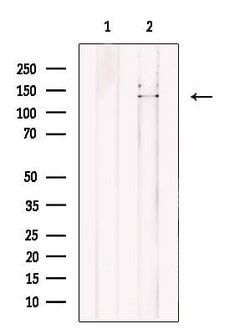
- The antibody detects endogenous levels of total MYST2 protein
- This gene encodes a member of the hepatoma-derived growth factor family
- The encoded protein has mitogenic and DNA-binding activity and may play a role in cellular proliferation and differentiation
- This gene was thought initially to be located on chromosome X, however, that location has been determined to correspond to a related pseudogene
- Alternatively spliced transcript variants encoding distinct isoforms have been described.