PA550479
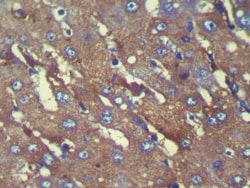
PYGL Polyclonal Antibody, Invitrogen™
Manufacturer: Thermo Scientific
Select a Size
| Pack Size | SKU | Availability | Price |
|---|---|---|---|
| Each of 1 | PA550479-Each-of-1 | In Stock | ₹ 46,502.50 |
PA550479 - Each of 1
In Stock
Quantity
1
Base Price: ₹ 46,502.50
GST (18%): ₹ 8,370.45
Total Price: ₹ 54,872.95
Antigen
PYGL
Classification
Polyclonal
Conjugate
Unconjugated
Gene
PYGL
Gene Alias
glycogen liver; Glycogen phosphorylase, liver form; GPLL; GSD6; Lgp; liver glycogen phosphorylase; phosphorylase, glycogen, liver; PYGL
Host Species
Rabbit
Purification Method
Antigen affinity chromatography
Regulatory Status
RUO
Gene ID (Entrez)
5836
Content And Storage
-20°C
Form
Liquid
Applications
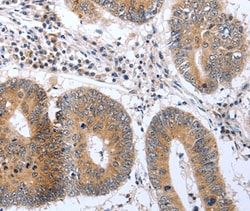
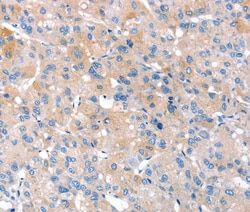
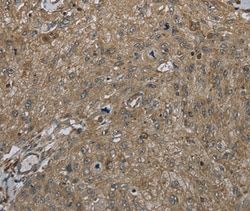
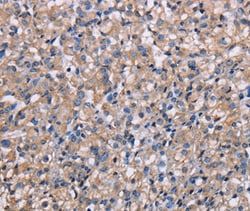
Immunohistochemistry (Paraffin), Western Blot
Concentration
2 mg/mL
Formulation
PBS with 40% glycerol and 0.05% sodium azide; pH 7.4
Gene Accession No.
P06737
Gene Symbols
PYGL
Immunogen
Fusion protein corresponding to residues near the C terminal of human phosphorylase, glycogen, liver
Quantity
100 μL
Primary or Secondary
Primary
Target Species
Human
Product Type
Antibody
Isotype
IgG
Related Products



Description
- The antibody detects endogenous levels of total PYGL protein
- This gene encodes a homodimeric protein that catalyses the cleavage of alpha-1,4-glucosidic bonds to release glucose-1-phosphate from liver glycogen stores
- This protein switches from inactive phosphorylase B to active phosphorylase A by phosphorylation of serine residue 15
- Activity of this enzyme is further regulated by multiple allosteric effectors and hormonal controls
- Humans have three glycogen phosphorylase genes that encode distinct isozymes that are primarily expressed in liver, brain and muscle, respectively
- The liver isozyme serves the glycemic demands of the body in general while the brain and muscle isozymes supply just those tissues
- In glycogen storage disease type VI, also known as Hers disease, mutations in liver glycogen phosphorylase inhibit the conversion of glycogen to glucose and results in moderate hypoglycemia, mild ketosis, growth retardation and hepatomegaly
- Alternative splicing results in multiple transcript variants encoding different isoforms.