PA550611
GIPR Polyclonal Antibody, Invitrogen™
Manufacturer: Thermo Scientific
Select a Size
| Pack Size | SKU | Availability | Price |
|---|---|---|---|
| Each of 1 | PA550611-Each-of-1 | In Stock | ₹ 46,591.50 |
PA550611 - Each of 1
In Stock
Quantity
1
Base Price: ₹ 46,591.50
GST (18%): ₹ 8,386.47
Total Price: ₹ 54,977.97
Antigen
GIPR
Classification
Polyclonal
Conjugate
Unconjugated
Gene
GIPR
Gene Alias
gastric inhibitory peptide receptor; gastric inhibitory polypeptide receptor; GIP receptor; Gippr; Gipr; GIP-R; Glucose-dependent insulinotropic polypeptide receptor; Gm1081; Gm160; PGQTL2; RATGIPPR
Host Species
Rabbit
Purification Method
Antigen affinity chromatography
Regulatory Status
RUO
Gene ID (Entrez)
2696, 381853
Content And Storage
-20°C
Form
Liquid
Applications
Western Blot
Concentration
1.1 mg/mL
Formulation
PBS with 40% glycerol and 0.05% sodium azide; pH 7.4
Gene Accession No.
P48546, Q0P543
Gene Symbols
GIPR
Immunogen
Synthetic peptide corresponding to residues near the C terminal of human gastric inhibitory polypeptide receptor
Quantity
100 μL
Primary or Secondary
Primary
Target Species
Human, Mouse
Product Type
Antibody
Isotype
IgG
Related Products




Description
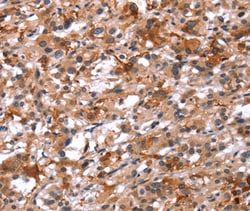
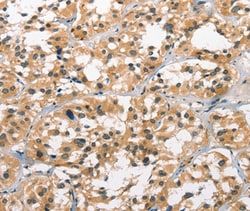
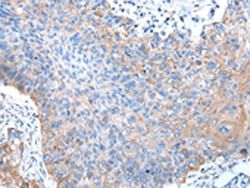
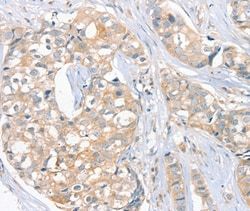
- The antibody detects endogenous levels of total GIPR / GIP Receptor protein
- GIPR encodes a G-protein coupled receptor for gastric inhibitory polypeptide (GIP), which was originally identified as an activity in gut extracts that inhibited gastric acid secretion and gastrin release, but subsequently was demonstrated to stimulate insulin release in the presence of elevated glucose
- Mice lacking this gene exhibit higher blood glucose levels with impaired initial insulin response after oral glucose load
- Defect in this gene thus may contribute to the pathogenesis of diabetes.