PIMA110212
EVI2B Monoclonal Antibody (MEM-216), Invitrogen™
Manufacturer: Thermo Scientific
Select a Size
| Pack Size | SKU | Availability | Price |
|---|---|---|---|
| Each of 1 | PIMA110212-Each-of-1 | In Stock | ₹ 29,414.50 |
PIMA110212 - Each of 1
In Stock
Quantity
1
Base Price: ₹ 29,414.50
GST (18%): ₹ 5,294.61
Total Price: ₹ 34,709.11
Antigen
EVI2B
Classification
Monoclonal
Concentration
1.0 mg/mL
Formulation
PBS with 15mM sodium azide; pH 7.4
Gene Accession No.
P34910
Gene Symbols
EVI2B
Immunogen
Raji cells
Quantity
100 μg
Primary or Secondary
Primary
Target Species
Human
Product Type
Antibody
Isotype
IgG1 κ
Applications
Flow Cytometry, Immunoprecipitation
Clone
MEM-216
Conjugate
Unconjugated
Gene
EVI2B
Gene Alias
CD361; D17S376; ecotropic viral integration site 2B; ecotropic viral integration site 2B protein; Ecotropic viral integration site 2B protein homolog; EVDB; Evi2; Evi-2; EVI2B; EVI-2B; Protein EVI2B; protein EVI2B-like
Host Species
Mouse
Purification Method
Protein A
Regulatory Status
RUO
Gene ID (Entrez)
2124
Content And Storage
4° C, do not freeze
Form
Liquid
Related Products



Description
- CD361, also known as EVI2B (Ecotropic Viral Integration site 2B) or EVDB, is a poorly characterized type I transmembrane protein, expressed from one of three genes embedded in intron 27b of the neurofibromatosis type 1 (NF1) gene
- The DNA strand that is transcribed to produce CD361 is the complementary one to the strand encoding NF1
- Murine homolog to human CD361 is associated with ecotropic viral insertions, which have been implicated in the expression of murine myeloid leukemias
- CD361 has been also reported to be involved in melanocyte and keratinocyte differentiation
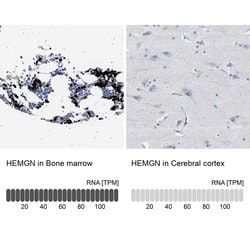
- However, it is expressed mainly in peripheral blood and bone marrow.