PIMA513648
Adenovirus Type 2 E1A Monoclonal Antibody (M73), Invitrogen™
Manufacturer: Thermo Scientific
Select a Size
| Pack Size | SKU | Availability | Price |
|---|---|---|---|
| Each of 1 | PIMA513648-Each-of-1 | In Stock | ₹ 47,036.50 |
PIMA513648 - Each of 1
In Stock
Quantity
1
Base Price: ₹ 47,036.50
GST (18%): ₹ 8,466.57
Total Price: ₹ 55,503.07
Antigen
Adenovirus Type 2 E1A
Classification
Monoclonal
Concentration
0.2 mg/mL
Formulation
PBS with 0.2% BSA and 0.09% sodium azide; pH 7.4
Host Species
Mouse
Purification Method
Protein A
Regulatory Status
RUO
Target Species
Virus
Product Type
Antibody
Isotype
IgG2a κ
Applications
Immunohistochemistry (Paraffin), Immunoprecipitation, Western Blot
Clone
M73
Conjugate
Unconjugated
Gene Alias
Adeno Virus; Adeno Virus 2; AdV; AdV-2; HADV; HADV-2
Immunogen
Adenovirus
Quantity
500 μL
Primary or Secondary
Primary
Content And Storage
4° C
Form
Liquid
Related Products

Description
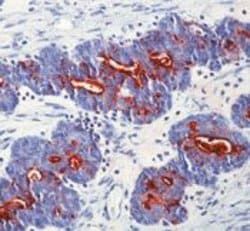
- MA5-13648 targets Adenovirus Type 2 E1A in IF, IHC, IP, and WB applications and shows reactivity with Virus samples
- The MA5-13648 immunogen is adenovirus
- Adenoviruses are DNA viruses generally widespread in nature that are frequently the cause of acute upper respiratory tract infections (i.e
- common colds)
- 49 human adenovirus serotypes have been discovered and divided into six subgroups, A to E, based on observation
- They are an important cause of respiratory illness, conjunctivitis, gastroenteritis, and have more recently been recognized as a potential cause of sexually transmitted diseases
- Several types have oncogenic potential though most cause self-limiting febrile illnesses characterized by inflammation of conjunctivae and the respiratory tract
- The virus can be isolated from the majority of tonsils/adenoids surgically removed, indicating latent infections
- It is not known how long the virus can persist in the body, or whether it is capable of reactivation after long periods
- In patients experiencing immunosuppression (e.g
- AIDS) it can be reactivated, causing disease
- Adenovirus vectors, particularly those based on Ad5, have shown great promise for the development of gene therapy protocols and have been used for clinical purpose.