RTN3 Monoclonal Antibody (1E11), Invitrogen™
Manufacturer: Thermo Scientific
Select a Size
| Pack Size | SKU | Availability | Price |
|---|---|---|---|
| Each of 1 | PIMA515538-Each-of-1 | In Stock | ₹ 50,062.50 |
PIMA515538 - Each of 1
In Stock
Quantity
1
Base Price: ₹ 50,062.50
GST (18%): ₹ 9,011.25
Total Price: ₹ 59,073.75
Antigen
RTN3
Classification
Monoclonal
Concentration
Conc. Not Determined
Formulation
ascites with 0.03% sodium azide
Gene Accession No.
O95197
Gene Symbols
RTN3
Immunogen
Purified recombinant fragment of RTN3 expressed in E. Coli.
Regulatory Status
RUO
Gene ID (Entrez)
10313
Content And Storage
Store at 4°C short term. For long term storage, store at -20°C, avoiding freeze/thaw cycles.
Form
Liquid
Applications
ELISA, Immunocytochemistry
Clone
1E11
Conjugate
Unconjugated
Gene
RTN3
Gene Alias
ASY interacting protein; ASYIP; HAP; Homolog of ASY protein; neuroendocrine-specific protein-like 2; Neuroendocrine-specific protein-like II; nsp-c; NSPL2; NSPLII; Nsp-like II; NSP-like protein 2; NSP-like protein II; reticulon 3; reticulon-3; RTN3; RTN3-A1
Host Species
Mouse
Quantity
100 μL
Primary or Secondary
Primary
Target Species
Human
Product Type
Antibody
Isotype
IgG2a
Related Products
Description
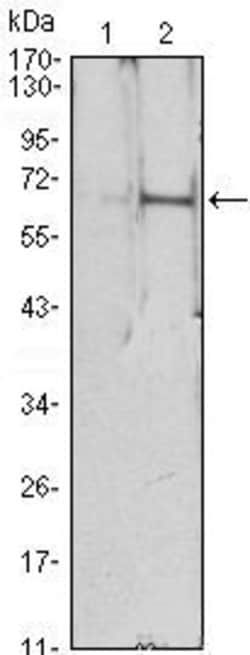
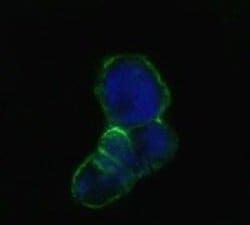
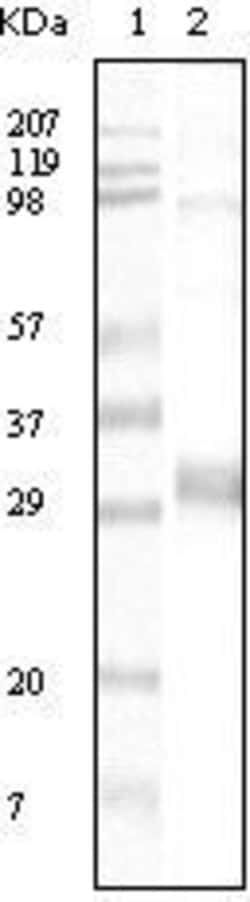
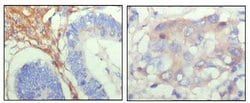
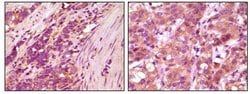
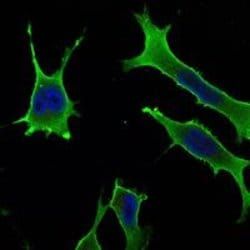
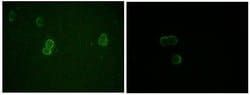
- MA5-15538 targets RTN3 in indirect ELISA, IF applications and shows reactivity with Human samples
- The MA5-15538 immunogen is purified recombinant fragment of RTN3 expressed in E
- Coli
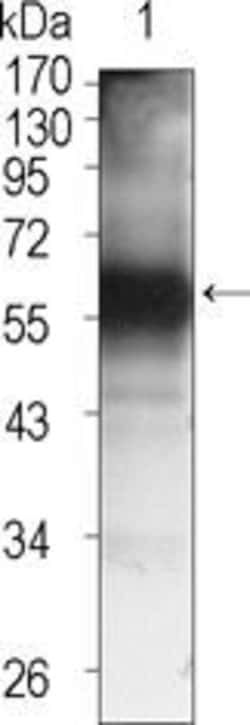
- MA5-15538 detects RTN3 which has a predicted molecular weight of approximately 113kDa
- RTN3 is a member of reticulons, which are associated with the endoplasmic reticulum, and are involved in neuroendocrine secretion or in membrane trafficking in neuroendocrine cells
- Alternatively spliced transcript variants encoding different isoforms have been identified
- Multiple promoters rather than alternative splicing of internal exons seem to be involved in this diversity.