PIMA524558
FDX1 Monoclonal Antibody (1E7), Invitrogen™
Manufacturer: Thermo Scientific
Select a Size
| Pack Size | SKU | Availability | Price |
|---|---|---|---|
| Each of 1 | PIMA524558-Each-of-1 | In Stock | ₹ 47,481.50 |
PIMA524558 - Each of 1
In Stock
Quantity
1
Base Price: ₹ 47,481.50
GST (18%): ₹ 8,546.67
Total Price: ₹ 56,028.17
Antigen
FDX1
Classification
Monoclonal
Conjugate
Unconjugated
Gene
FDX1
Gene Alias
adrenal ferredoxin; Adrenodoxin, mitochondrial; ADX; FDX; Fdx1; ferredoxin 1; ferredoxin-1; Hepatoredoxin; LOH11CR1D; mitochondrial adrenodoxin
Host Species
Mouse
Purification Method
Protein A
Regulatory Status
RUO
Gene ID (Entrez)
2230
Content And Storage
-20° C, Avoid Freeze/Thaw Cycles
Form
Liquid
Applications
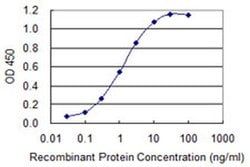
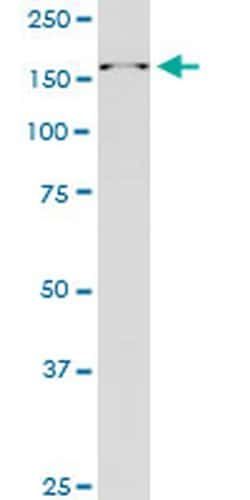
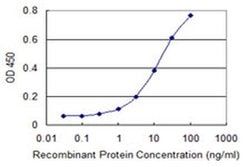
ELISA, Western Blot
Clone
1E7
Formulation
PBS with no preservative; pH 7.4
Gene Accession No.
P10109
Gene Symbols
FDX1
Immunogen
FDX1 (NP_004100.1, 85 a.a. ∽ 183 a.a) partial recombinant protein with GST tag. MW of the GST tag alone is 26 KDa.
Quantity
100 μg
Primary or Secondary
Primary
Target Species
Human
Product Type
Antibody
Isotype
IgG2b κ
Related Products


Description
- Peptide Sequence: VGDSLLDVVV ENNLDIDGFG ACEGTLACST CHLIFEDHIY EKLDAITDEE NDMLDLAYGL TDRSRLGCQI CLTKSMDNMT VRVPETVADA RQSIDVGKT The product of this gene is a small iron-sulfur protein that transfers electrons from NADPH through ferredoxin reductase to a terminal cytochrome P450
- This particular oxidation/reduction system is found in steroidogenic tissues, and is involved with the synthesis of bile acid and vitamin D
- In addition to the expressed gene at this chromosomal locus (11q22), there are pseudogenes located on chromosomes 20 and 21
- This gene product has been identified in a number of different tissues but all forms have been shown to be identical and are not tissue specific.