PIMA547585
Canine/Feline Parvovirus Monoclonal Antibody (7353), Invitrogen™
Manufacturer: Thermo Scientific
Select a Size
| Pack Size | SKU | Availability | Price |
|---|---|---|---|
| Each of 1 | PIMA547585-Each-of-1 | In Stock | ₹ 42,987.00 |
PIMA547585 - Each of 1
In Stock
Quantity
1
Base Price: ₹ 42,987.00
GST (18%): ₹ 7,737.66
Total Price: ₹ 50,724.66
Antigen
Canine/Feline Parvovirus
Classification
Monoclonal
Concentration
100 μg/mL
Formulation
PBS with 0.1% sodium azide, pH 7.2
Host Species
Mouse
Purification Method
Protein A
Regulatory Status
RUO
Target Species
Virus
Form
Liquid
Applications
ELISA, Immunocytochemistry
Clone
7353
Conjugate
Unconjugated
Gene Alias
CPV, FPV, parvo
Immunogen
Proprietary sequence
Quantity
100 μg
Primary or Secondary
Primary
Content And Storage
4° C
Isotype
IgG1
Related Products




Description
- Specificity: Reactive with CPV and Feline Panleukopenia virus
- Best Antibody Pairs for Antigen Detection (capture/conjugate): Canine/Feline Parvovirus Monoclonal antibody (Product # MA5-47585)/Canine Parvovirus Polyclonal antibody (Product # MA1-7467)
- Purified preparations consist of >90% pure mouse monoclonal antibody which has been purified from ascites fluid by protein A chromatography
- The final preparation is formulated to a protein concentration of 100 μg/mL in 0.01 M phosphate buffered saline, pH 7.2 and contains 0.1% sodium azide
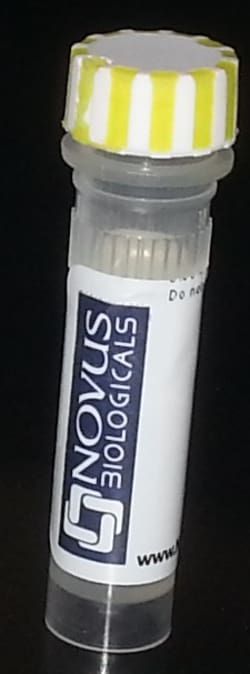
- Each vial contains 1.0 mL
- This product contains no stabilizing proteins and should be stored at 4C until ready for use
- Working dilution must be determined by the user
- Suggested starting ranges are 1:10-1:50 for ICC/IF and 1:20-1:200
- for ELISA
- CPV is reported to be a host range variant of FPV which emerged as a result of mutations of the viral capsid.