PIPA1102
GATA4 Polyclonal Antibody, Invitrogen™
Manufacturer: Thermo Scientific
Select a Size
| Pack Size | SKU | Availability | Price |
|---|---|---|---|
| Each of 1 | PIPA1102-Each-of-1 | In Stock | ₹ 48,683.00 |
PIPA1102 - Each of 1
In Stock
Quantity
1
Base Price: ₹ 48,683.00
GST (18%): ₹ 8,762.94
Total Price: ₹ 57,445.94
Antigen
GATA4
Classification
Polyclonal
Conjugate
Unconjugated
Gene
GATA4
Gene Alias
ASD2; DNA-binding protein GATA-GT2; GAT4; GATA binding protein 4; GATA4; Gata-4; GATA-binding factor 4; GATA-binding protein 4; MGC126629; TACHD; TOF; Transcription factor GATA-4; VSD1
Host Species
Rabbit
Purification Method
Antigen affinity chromatography
Regulatory Status
RUO
Gene ID (Entrez)
14463, 2626
Content And Storage
-20°C
Form
Liquid
Applications
Flow Cytometry, Immunocytochemistry, Immunohistochemistry (Paraffin), Western Blot
Concentration
1 mg/mL
Formulation
PBS with 1mg/mL BSA, 30% glycerol and 0.05% sodium azide
Gene Accession No.
P43694, Q08369
Gene Symbols
GATA4
Immunogen
Pooled peptides: RKEGIQTRKRKPKNLNKSK & SKQDSWNSLVLADSHGDIITA
Quantity
100 μg
Primary or Secondary
Primary
Target Species
Human, Mouse
Product Type
Antibody
Isotype
IgG
Related Products

Description
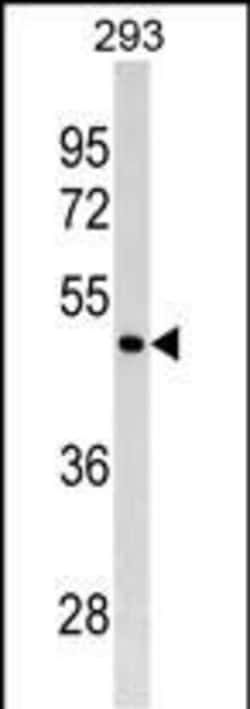
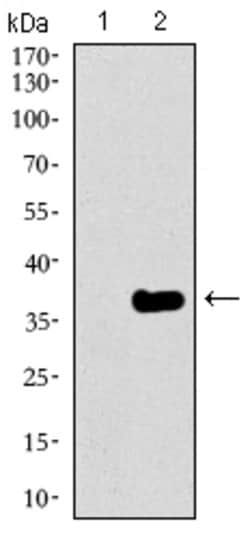
- Description PA1-102 has been successfully used in Western blot, FACS, immunohistochemistry (paraffin) and immunofluorescence applications with human and mouse samples
- PA1-102 can be used for immunofluorescence analysis of GATA4 in the endoderm derived from human iPSCs
- GATA4 is a member of the GATA family of zinc-finger transcription factors
- Members of this family recognize the GATA motif which is present in the promoters of many genes
- This protein is thought to regulate genes involved in embryogenesis and in myocardial differentiation and function
- Mutations in the gene encoding GATA4 have been associated with cardiac septal defects.