Carboxypeptidase E Polyclonal Antibody, Invitrogen™
Manufacturer: Thermo Scientific
Select a Size
| Pack Size | SKU | Availability | Price |
|---|---|---|---|
| Each of 1 | PIPA5101497-Each-of-1 | In Stock | ₹ 46,502.50 |
PIPA5101497 - Each of 1
In Stock
Quantity
1
Base Price: ₹ 46,502.50
GST (18%): ₹ 8,370.45
Total Price: ₹ 54,872.95
Antigen
Carboxypeptidase E
Classification
Polyclonal
Conjugate
Unconjugated
Gene
CPE
Gene Alias
CARBE; Carboxypeptidase E; carboxypeptidase H; CarboxypeptidaseE; CarboxypeptidaseH; CBPE; cobalt-stimulated chromaffin granule carboxypeptidase; CPE; CPH; Cph 1; Cph1; Cph-1; enkephalin convertase; fat; insulin granule-associated carboxypeptidase; prohormone-processing carboxypeptidase; R74677; si:ch211-198g9.2; unnamed protein product; zgc:85981
Host Species
Rabbit
Purification Method
Affinity chromatography
Regulatory Status
RUO
Gene ID (Entrez)
12876, 1363, 25669
Content And Storage
-20°C
Form
Liquid
Applications
Immunocytochemistry, Immunohistochemistry (Paraffin), Western Blot
Concentration
1 mg/mL
Formulation
PBS with 50% glycerol and 0.02% sodium azide; pH 7.4
Gene Accession No.
P15087, P16870, Q00493
Gene Symbols
CPE
Immunogen
A synthesized peptide derived from human CPE(Accession P16870), corresponding to amino acid residues P273-P323.
Quantity
100 μL
Primary or Secondary
Primary
Target Species
Human, Mouse, Rat
Product Type
Antibody
Isotype
IgG
Related Products

Description
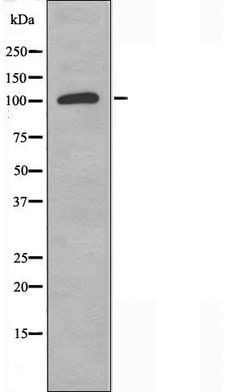
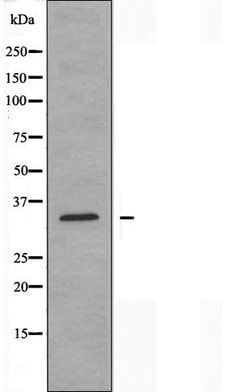
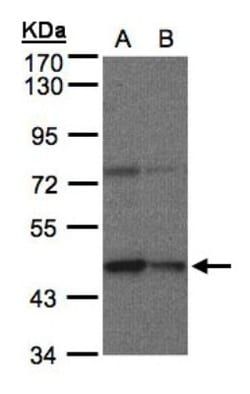
- Antibody detects endogenous levels of total CPE
- This gene encodes a carboxypeptidase that cleaves C-terminal amino acid residues and is involved in the biosynthesis of peptide hormones and neurotransmitters, including insulin
- It is a peripheral membrane protein
- The protein specifically binds regulated secretory pathway proteins, including prohormones, but not constitutively secreted proteins
- Mutations in this gene are implicated in type II diabetes.