NR0B2 Polyclonal Antibody, Invitrogen™
Manufacturer: Thermo Scientific
Select a Size
| Pack Size | SKU | Availability | Price |
|---|---|---|---|
| Each of 1 | PIPA5102494-Each-of-1 | In Stock | ₹ 45,345.50 |
PIPA5102494 - Each of 1
In Stock
Quantity
1
Base Price: ₹ 45,345.50
GST (18%): ₹ 8,162.19
Total Price: ₹ 53,507.69
Antigen
NR0B2
Classification
Polyclonal
Conjugate
Unconjugated
Gene
NR0B2
Gene Alias
Nr0b2; Nr0b2a; nuclear receptor SHP; nuclear receptor subfamily 0 group B member 2; nuclear receptor subfamily 0, group B, member 2; orphan nuclear receptor SHP; SHP; SHP1; SHP-1; small heterodimer partner; small heterodimer partner homologue
Host Species
Rabbit
Purification Method
Affinity chromatography
Regulatory Status
RUO
Gene ID (Entrez)
23957, 8431
Content And Storage
-20°C
Form
Liquid
Applications
Immunocytochemistry, Immunohistochemistry (Paraffin), Western Blot
Concentration
1 mg/mL
Formulation
PBS with 50% glycerol and 0.02% sodium azide; pH 7.4
Gene Accession No.
Q15466, Q62227
Gene Symbols
NR0B2
Immunogen
A synthesized peptide derived from human NR0B2(Accession Q15466), corresponding to amino acid residues L118-C168.
Quantity
100 μL
Primary or Secondary
Primary
Target Species
Human, Mouse
Product Type
Antibody
Isotype
IgG
Related Products
Description
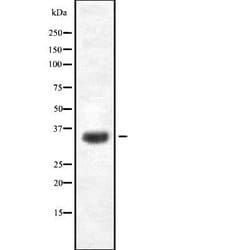
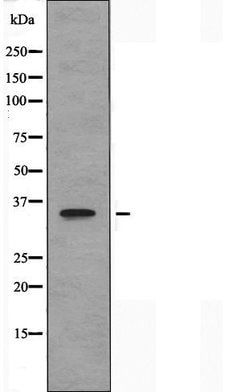
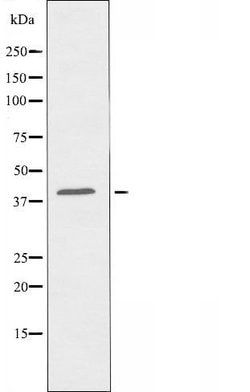
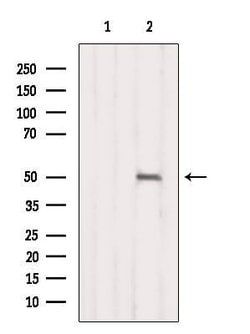
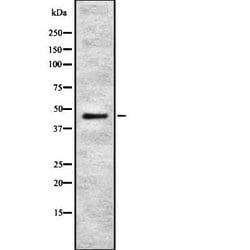
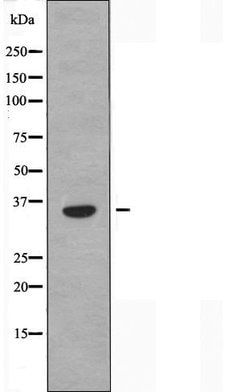
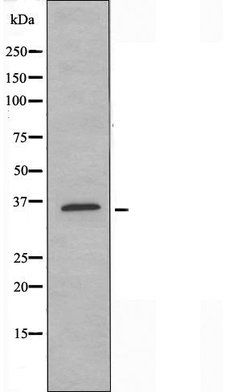
- Antibody detects endogenous levels of total NR0B2
- The protein encoded by this gene is an unusual orphan receptor that contains a putative ligand-binding domain but lacks a conventional DNA-binding domain
- The gene product is a member of the nuclear hormone receptor family, a group of transcription factors regulated by small hydrophobic hormones, a subset of which do not have known ligands and are referred to as orphan nuclear receptors
- The protein has been shown to interact with retinoid and thyroid hormone receptors, inhibiting their ligand-dependent transcriptional activation
- In addition, interaction with estrogen receptors has been demonstrated, leading to inhibition of function
- Studies suggest that the protein represses nuclear hormone receptor-mediated transactivation via two separate steps: competition with coactivators and the direct effects of its transcriptional repressor function.