GHRH Polyclonal Antibody, Invitrogen™
Manufacturer: Thermo Scientific
Select a Size
| Pack Size | SKU | Availability | Price |
|---|---|---|---|
| Each of 1 | PIPA5102738-Each-of-1 | In Stock | ₹ 45,968.50 |
PIPA5102738 - Each of 1
In Stock
Quantity
1
Base Price: ₹ 45,968.50
GST (18%): ₹ 8,274.33
Total Price: ₹ 54,242.83
Antigen
GHRH
Classification
Polyclonal
Conjugate
Unconjugated
Gene
Ghrh
Gene Alias
GHRF; Ghrh; GRF; growth hormone releasing hormone; growth hormone-releasing factor; Growth hormone-releasing hormone; INN; MGC119781; OTTHUMP00000030915; Sermorelin; somatocrinin; Somatoliberin; somatorelin
Host Species
Rabbit
Purification Method
Affinity chromatography
Regulatory Status
RUO
Gene ID (Entrez)
14601, 2691, 29446
Content And Storage
-20°C
Form
Liquid
Applications
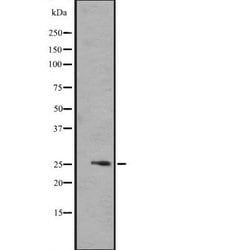
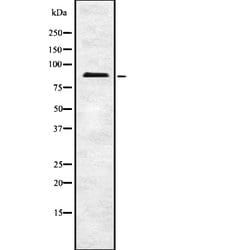
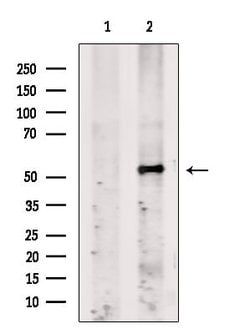
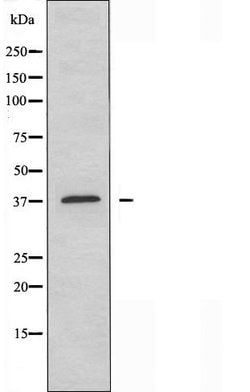
Immunocytochemistry, Immunohistochemistry (Paraffin), Western Blot
Concentration
1 mg/mL
Formulation
PBS with 50% glycerol and 0.02% sodium azide; pH 7.4
Gene Accession No.
P01286, P09916, P16043
Gene Symbols
Ghrh
Immunogen
A synthesized peptide derived from human GHRH(Accession P01286), corresponding to amino acid residues N39-M89.
Quantity
100 μL
Primary or Secondary
Primary
Target Species
Human, Mouse, Rat
Product Type
Antibody
Isotype
IgG
Related Products
Description
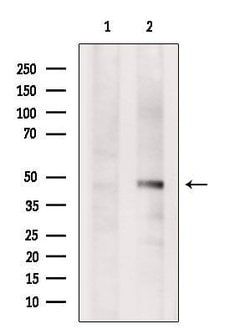
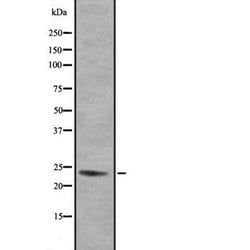
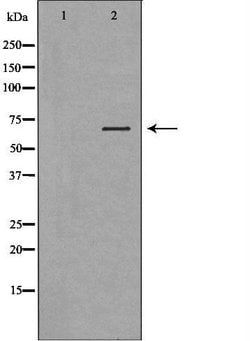
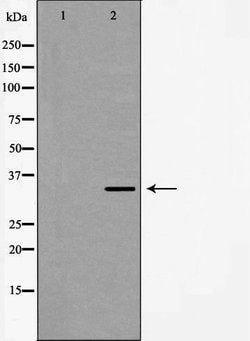
- Antibody detects endogenous levels of total GHRH
- The activated kinase acts on a variety of targets
- Likely to be the GTPase effector that links the Rho-related GTPases to the JNK MAP kinase pathway
- Activated by CDC42 and RAC1
- Involved in dissolution of stress fibers and reorganization of focal complexes
- Involved in regulation of microtubule biogenesis through phosphorylation of TBCB
- Activity is inhibited in cells undergoing apoptosis, potentially due to binding of CDC2L1 and CDC2L2.