SOD3 Polyclonal Antibody, Invitrogen™
Manufacturer: Thermo Scientific
Select a Size
| Pack Size | SKU | Availability | Price |
|---|---|---|---|
| Each of 1 | PIPA5102904-Each-of-1 | In Stock | ₹ 45,345.50 |
PIPA5102904 - Each of 1
In Stock
Quantity
1
Base Price: ₹ 45,345.50
GST (18%): ₹ 8,162.19
Total Price: ₹ 53,507.69
Antigen
SOD3
Classification
Polyclonal
Conjugate
Unconjugated
Gene
SOD3
Gene Alias
AI314465; ALS; ALS1; EC SOD; EC-SOD; ECSODPT; extracellular superoxide dismutase; extracellular superoxide dismutase [Cu-Zn]; MGC20077; SOD 3; SOD3; Sod-3; Superoxide dimutase 3; superoxide dismutase; superoxide dismutase 3; superoxide dismutase 3, extracellular; superoxide dismutase B; testicular tissue protein Li 175
Host Species
Rabbit
Purification Method
Affinity chromatography
Regulatory Status
RUO
Gene ID (Entrez)
20657, 25352, 6649
Content And Storage
-20°C
Form
Liquid
Applications
Immunocytochemistry, Immunohistochemistry (Paraffin), Western Blot
Concentration
1 mg/mL
Formulation
PBS with 50% glycerol and 0.02% sodium azide; pH 7.4
Gene Accession No.
O09164, P08294, Q08420
Gene Symbols
SOD3
Immunogen
A synthesized peptide derived from human SOD3(Accession P08294), corresponding to amino acid residues V115-A165.
Quantity
100 μL
Primary or Secondary
Primary
Target Species
Human, Mouse, Rat
Product Type
Antibody
Isotype
IgG
Related Products
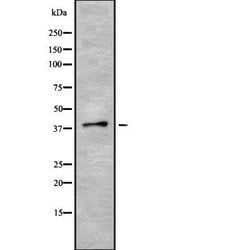
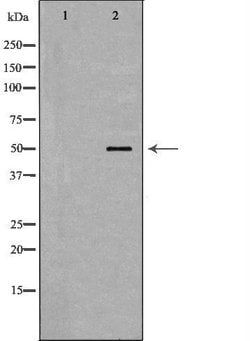
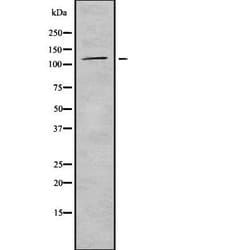
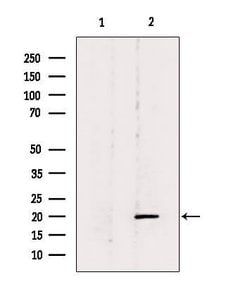
Description
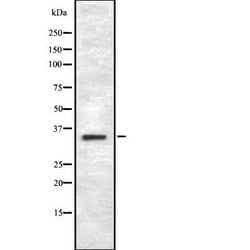
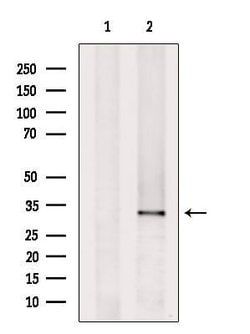
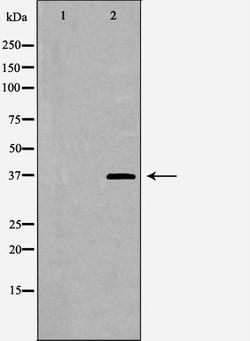
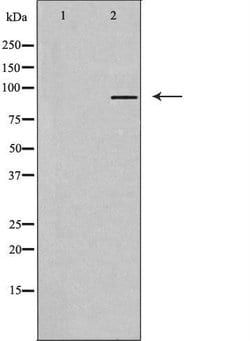
- Antibody detects endogenous levels of total SOD3
- This gene encodes a member of the vaccinia-related kinase (VRK) family of serine/threonine protein kinases
- This gene is widely expressed in human tissues and has increased expression in actively dividing cells, such as those in testis, thymus, fetal liver, and carcinomas
- Its protein localizes to the nucleus and has been shown to promote the stability and nuclear accumulation of a transcriptionally active p53 molecule and, in vitro, to phosphorylate Thr18 of p53 and reduce p53 ubiquitination
- This gene, therefore, may regulate cell proliferation
- This protein also phosphorylates histone, casein, and the transcription factors ATF2 (activating transcription factor 2) and c-JUN.