PIPA5103085
STC1 Polyclonal Antibody, Invitrogen™
Manufacturer: Thermo Scientific
Select a Size
| Pack Size | SKU | Availability | Price |
|---|---|---|---|
| Each of 1 | PIPA5103085-Each-of-1 | In Stock | ₹ 46,502.50 |
PIPA5103085 - Each of 1
In Stock
Quantity
1
Base Price: ₹ 46,502.50
GST (18%): ₹ 8,370.45
Total Price: ₹ 54,872.95
Antigen
STC1
Classification
Polyclonal
Conjugate
Unconjugated
Gene
STC1
Gene Alias
stanniocalcin; stanniocalcin 1; stanniocalcin-1; STC; STC1; STC-1
Host Species
Rabbit
Purification Method
Affinity chromatography
Regulatory Status
RUO
Gene ID (Entrez)
6781
Content And Storage
-20°C
Form
Liquid
Applications
Immunocytochemistry, Western Blot
Concentration
1 mg/mL
Formulation
PBS with 50% glycerol and 0.02% sodium azide; pH 7.4
Gene Accession No.
P52823
Gene Symbols
STC1
Immunogen
A synthesized peptide derived from human STC1(Accession P52823), corresponding to amino acid residues K185-S235.
Quantity
100 μL
Primary or Secondary
Primary
Target Species
Human
Product Type
Antibody
Isotype
IgG
Related Products
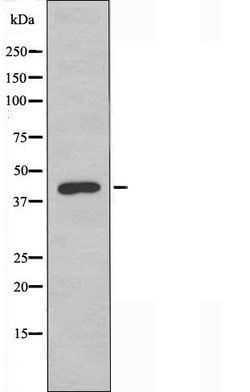
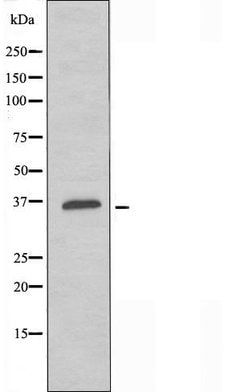
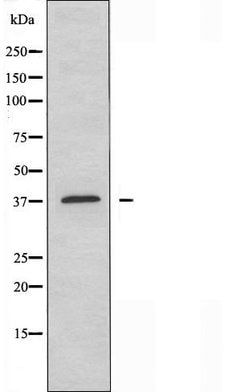
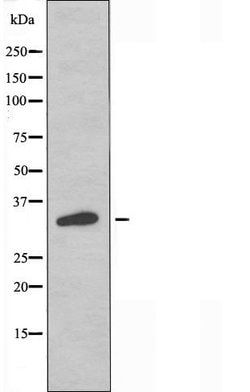
Description
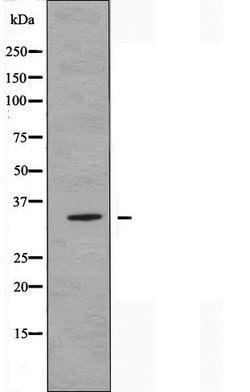
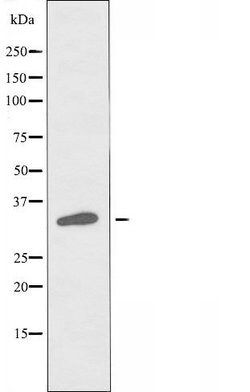
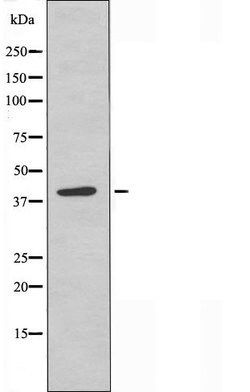
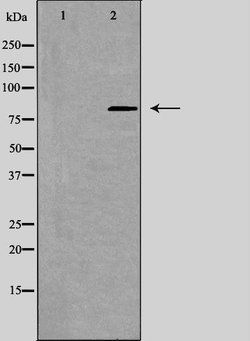
- Antibody detects endogenous levels of total Stanniocalcin 1
- This gene encodes a secreted, homodimeric glycoprotein that is expressed in a wide variety of tissues and may have autocrine or paracrine functions
- The gene contains a 5' UTR rich in CAG trinucleotide repeats
- The encoded protein contains 11 conserved cysteine residues and is phosphorylated by protein kinase C exclusively on its serine residues
- The protein may play a role in the regulation of renal and intestinal calcium and phosphate transport, cell metabolism, or cellular calcium/phosphate homeostasis
- Overexpression of human stanniocalcin 1 in mice produces high serum phosphate levels, dwarfism, and increased metabolic rate
- This gene has altered expression in hepatocellular, ovarian, and breast cancers.