PIPA5103150
NTN1 Polyclonal Antibody, Invitrogen™
Manufacturer: Thermo Scientific
Select a Size
| Pack Size | SKU | Availability | Price |
|---|---|---|---|
| Each of 1 | PIPA5103150-Each-of-1 | In Stock | ₹ 45,345.50 |
PIPA5103150 - Each of 1
In Stock
Quantity
1
Base Price: ₹ 45,345.50
GST (18%): ₹ 8,162.19
Total Price: ₹ 53,507.69
Antigen
NTN1
Classification
Polyclonal
Conjugate
Unconjugated
Gene
NTN1
Gene Alias
AI561871; BC019633; Epididymis tissue protein Li 131P; HGNC:8029; netrin 1; netrin 1, mouse, homolog of; Netrin1; netrin-1; Ntn1; NTN1L
Host Species
Rabbit
Purification Method
Affinity chromatography
Regulatory Status
RUO
Gene ID (Entrez)
114523, 18208, 9423
Content And Storage
-20°C
Form
Liquid
Applications
Immunocytochemistry, Immunohistochemistry (Paraffin), Western Blot
Concentration
1 mg/mL
Formulation
PBS with 50% glycerol and 0.02% sodium azide; pH 7.4
Gene Accession No.
O09118, O95631, Q924Z9
Gene Symbols
NTN1
Immunogen
A synthesized peptide derived from human NTN1(Accession O95631), corresponding to amino acid residues A572-A604.
Quantity
100 μL
Primary or Secondary
Primary
Target Species
Human, Mouse, Rat
Product Type
Antibody
Isotype
IgG
Related Products
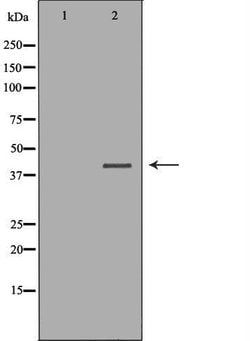
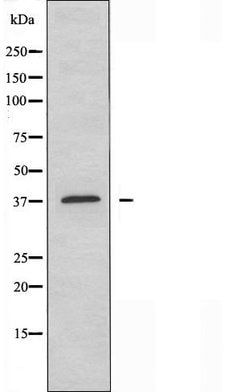
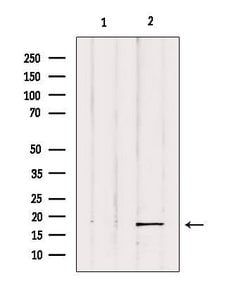
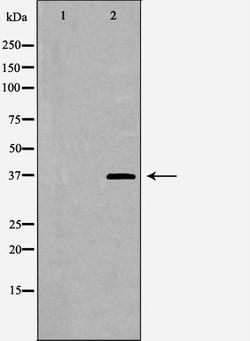
Description
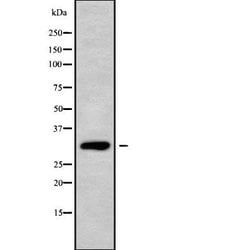
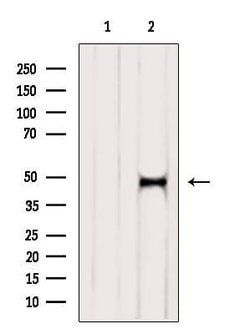
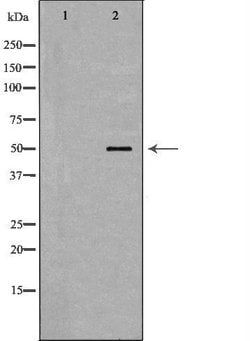
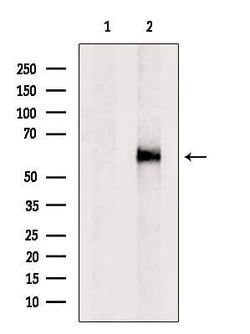
- Antibody detects endogenous levels of total Netrin-1
- Netrin-G1 ligand (NGL1) is a transmembrane protein containing leucine-rich repeat (LRR) and immunoglobulin (Ig) domains that specifically interact with netrin-G1 through its LRR region
- Whereas netrin-G1 is expressed highly in mouse thalamic axons, NGL1 is most abundant in the striatum and the cerebral cortex
- NGL1 is implicated in facilitating axonal growth of the vertebrate CNS
- Membrane-bound netrin-G1 acts as an axonal receptor, whereas the LRR-containing transmembrane protein NGL1 acts as a ligand in promoting the growth of thalamic axons.