PCP4 Polyclonal Antibody, Invitrogen™
Manufacturer: Thermo Scientific
Select a Size
| Pack Size | SKU | Availability | Price |
|---|---|---|---|
| Each of 1 | PIPA5103665-Each-of-1 | In Stock | ₹ 46,502.50 |
PIPA5103665 - Each of 1
In Stock
Quantity
1
Base Price: ₹ 46,502.50
GST (18%): ₹ 8,370.45
Total Price: ₹ 54,872.95
Antigen
PCP4
Classification
Polyclonal
Conjugate
Unconjugated
Gene
PCP4
Gene Alias
brain specific polypeptide PEP19; brain-specific antigen PCP-4; Brain-specific polypeptide PEP-19; Calmodulin regulator protein PCP4; P16Rimb19; PCP4; Pcp-4; Pep19; PEP-19; PEPZ19; Purkinje cell protein 4
Host Species
Rabbit
Purification Method
Affinity chromatography
Regulatory Status
RUO
Gene ID (Entrez)
18546, 25510, 5121
Content And Storage
-20°C
Form
Liquid
Applications
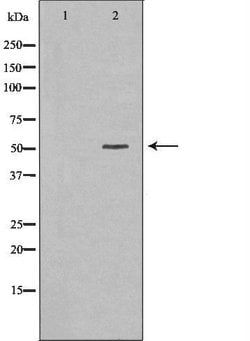
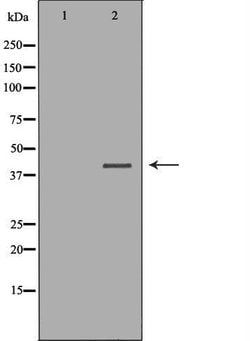
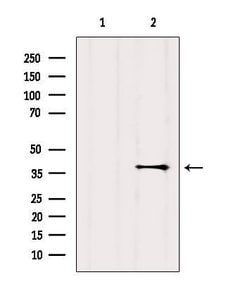
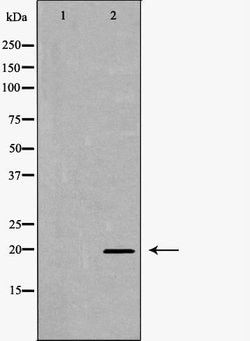
Immunocytochemistry, Immunohistochemistry (Paraffin), Western Blot
Concentration
1 mg/mL
Formulation
PBS with 50% glycerol and 0.02% sodium azide; pH 7.4
Gene Accession No.
P48539, P63054, P63055
Gene Symbols
PCP4
Immunogen
A synthesized peptide derived from human PCP4(Accession P48539), corresponding to amino acid residues M1-A42.
Quantity
100 μL
Primary or Secondary
Primary
Target Species
Human, Mouse, Non-human Primate, Rat
Product Type
Antibody
Isotype
IgG
Related Products
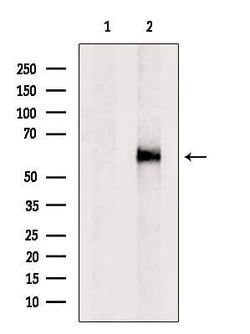
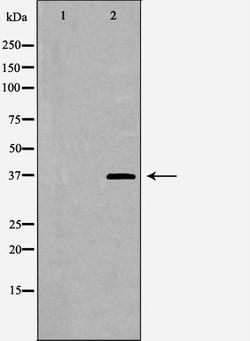
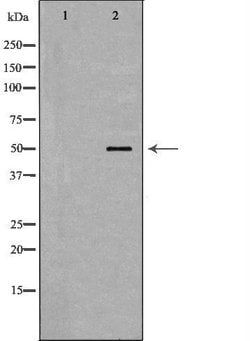
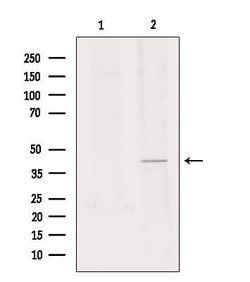
Description
- Antibody detects endogenous levels of total PCP4
- PCP-4 (Purkinje cell protein 4), also known as PCP4, is a calmodulin (CaM) regulatory protein that is highly expressed in neuronal cells
- Through its IQ motif, PCP-4 mediates both the calcium-dependent binding properties of CaM and the rates of association and dissociation of calcium from the C-terminal domain of CaM
- The IQ motif contains a serine residue which can be phosphorylated by all isoforms of protein kinase C (PKC)
- PCP-4 is implicated in uterine leiomyomas, as well as in neurodegenerative disorders such as Alzheimer's disease and Huntington's disease
- Additionally, overexpression of PCP-4 is thought to play a role in cerebellar hypoplasia, a key feature of Down syndrome.