DPF2 Polyclonal Antibody, Invitrogen™
Manufacturer: Thermo Scientific
Select a Size
| Pack Size | SKU | Availability | Price |
|---|---|---|---|
| Each of 1 | PIPA5112251-Each-of-1 | In Stock | ₹ 43,120.50 |
PIPA5112251 - Each of 1
In Stock
Quantity
1
Base Price: ₹ 43,120.50
GST (18%): ₹ 7,761.69
Total Price: ₹ 50,882.19
Antigen
DPF2
Classification
Polyclonal
Conjugate
Unconjugated
Gene
Dpf2
Gene Alias
2210010M07Rik; apoptosis response zinc finger protein; BAF45D; BRG1-associated factor 45D; D4, zinc and double PHD fingers family 2; double PHD fingers 2; Dpf2; neuro-d4/requiem; protein requiem; Req; requiem; requiem, apoptosis response zinc finger; UBID4; ubi-d4; Zinc finger protein ubi-d4
Host Species
Rabbit
Purification Method
Antigen affinity chromatography, Protein A
Regulatory Status
RUO
Gene ID (Entrez)
5977
Content And Storage
Store at 4°C short term. For long term storage, store at -20°C, avoiding freeze/thaw cycles.
Form
Liquid
Applications
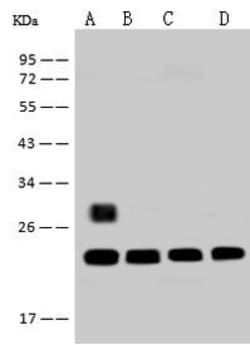
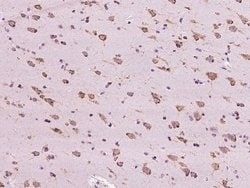
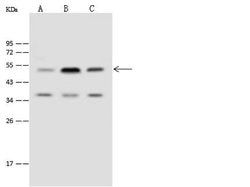
Immunocytochemistry, Immunoprecipitation, Western Blot
Concentration
1 mg/mL
Formulation
PBS with 0.03% ProClin 300; pH 7
Gene Accession No.
Q92785
Gene Symbols
Dpf2
Immunogen
E. coli-derived Human DPF2 fragment
Quantity
100 μL
Primary or Secondary
Primary
Target Species
Human
Product Type
Antibody
Isotype
IgG
Related Products

Description
- The protein encoded by this gene is a member of the d4 domain family, characterized by a zinc finger-like structural motif
- This protein functions as a transcription factor which is necessary for the apoptotic response following deprivation of survival factors
- It likely serves a regulatory role in rapid hematopoietic cell growth and turnover
- This gene is considered a candidate gene for multiple endocrine neoplasia type I, an inherited cancer syndrome involving multiple parathyroid, enteropancreatic, and pituitary tumors.