HIP1R Polyclonal Antibody, Invitrogen™
Manufacturer: Thermo Scientific
Select a Size
| Pack Size | SKU | Availability | Price |
|---|---|---|---|
| Each of 1 | PIPA5112443-Each-of-1 | In Stock | ₹ 43,120.50 |
PIPA5112443 - Each of 1
In Stock
Quantity
1
Base Price: ₹ 43,120.50
GST (18%): ₹ 7,761.69
Total Price: ₹ 50,882.19
Antigen
HIP1R
Classification
Polyclonal
Conjugate
Unconjugated
Gene
HIP1R
Gene Alias
AA410023; HIP12; HIP-12; Hip1r; HIP1-related protein; HIP3; huntingtin interacting protein 1 related; huntingtin interacting protein 12; Huntingtin-interacting protein 12; huntingtin-interacting protein 1-related protein; ILWEQ; KIAA0655; mKIAA0655
Host Species
Rabbit
Purification Method
Protein G
Regulatory Status
RUO
Gene ID (Entrez)
81917, 9026
Content And Storage
-20°C or -80°C if preferred
Form
Liquid
Applications
ELISA, Immunohistochemistry (Paraffin), Western Blot
Concentration
3.01 mg/mL
Formulation
PBS with 50% glycerol and 0.03% ProClin 300; pH 7.4
Gene Accession No.
O75146
Gene Symbols
HIP1R
Immunogen
Recombinant Human Huntingtin-interacting protein 1-related protein (304-487AA)
Quantity
100 μg
Primary or Secondary
Primary
Target Species
Human, Rat
Product Type
Antibody
Isotype
IgG
Related Products
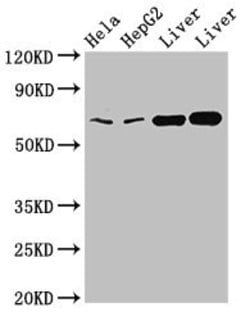
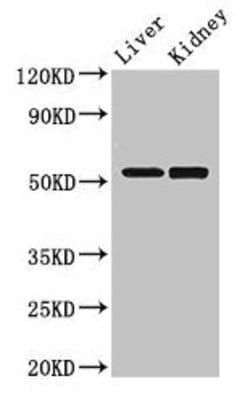
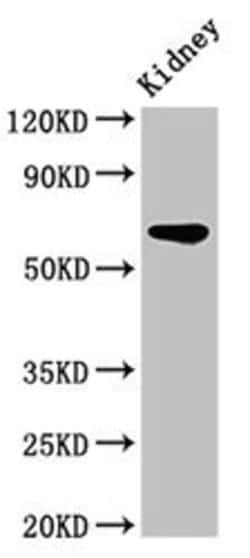
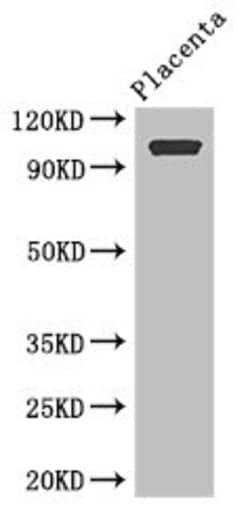
Description
- Huntingtin disease, a neurodegenerate disease, is caused by the expansion of a polymorphic glutamine tract in huntingtin
- The Huntingtin Interacting Protein 1 (HIP-1) is a reportedly proapoptotic, cargo-specific adaptor protein that may be involved in the pathogenesis of Huntingtin disease
- As well as playing a role in Huntingtin disease, it is likely to be involved in the recruitment of clathrin coats to lipid membranes and it may also factor in tumorigenesis by allowing the survival of precancerous and cancerous cells
- Since HIP-1 expression is significantly associated with prostate and colon cancer metastasis, HIP-1 can serve as a putative prognostic factor for prostate and colon cancers.