HDAC9 Polyclonal Antibody, Invitrogen™
Manufacturer: Thermo Scientific
Select a Size
| Pack Size | SKU | Availability | Price |
|---|---|---|---|
| Each of 1 | PIPA511245-Each-of-1 | In Stock | ₹ 48,816.50 |
PIPA511245 - Each of 1
In Stock
Quantity
1
Base Price: ₹ 48,816.50
GST (18%): ₹ 8,786.97
Total Price: ₹ 57,603.47
Antigen
HDAC9
Classification
Polyclonal
Conjugate
Unconjugated
Gene
Hdac9
Gene Alias
AV022454; D030072B18Rik; DKFZp779K1053; HD7; HD7b; HD9; HDAC; HDAC7; Hdac7b; HDAC9; hdac-9; HDAC9B; HDAC9FL; HDRP; histone deacetylase 4/5-related protein; histone deacetylase 7B; Histone deacetylase 9; histone deacetylase-related protein; KIAA0744; MEF-2 interacting transcription repressor (MITR) protein; MEF2-interacting transcription repressor MITR; Mitr; mKIAA0744; RGD1310748; RGD1563092; TWIST
Host Species
Rabbit
Purification Method
Ammonium sulfate precipitation, Size-exclusion - Dialysis
Regulatory Status
RUO
Gene ID (Entrez)
79221, 9734
Content And Storage
-20° C, Avoid Freeze/Thaw Cycles
Form
Liquid
Applications
ChIP Assay, Immunocytochemistry, Immunohistochemistry (Paraffin), Immunoprecipitation, Western Blot
Concentration
2 mg/mL
Formulation
PBS with 0.09% sodium azide
Gene Accession No.
Q99N13, Q9UKV0
Gene Symbols
Hdac9
Immunogen
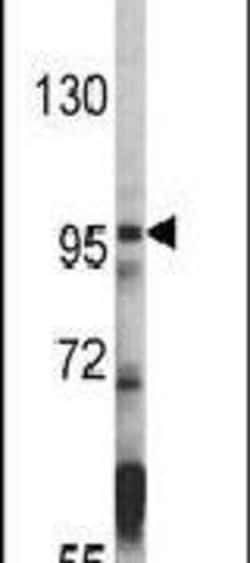
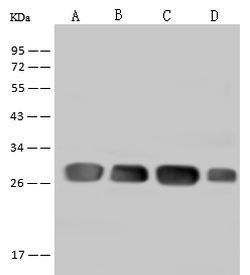
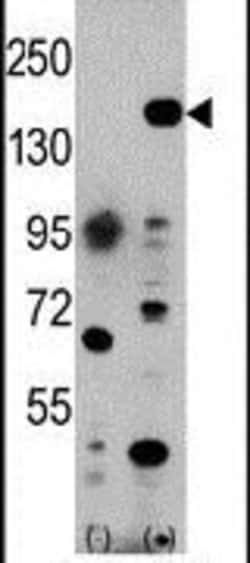
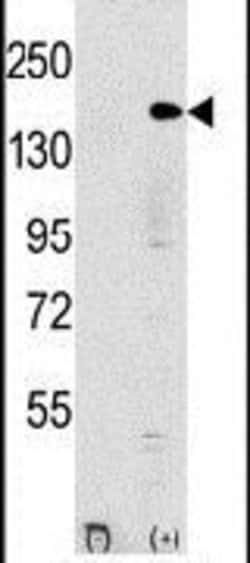
KLH conjugated synthetic peptide between 2-32 amino acids from the N-terminal region of human HDAC9
Quantity
400 μL
Primary or Secondary
Primary
Target Species
Human, Mouse
Product Type
Antibody
Isotype
IgG
Related Products
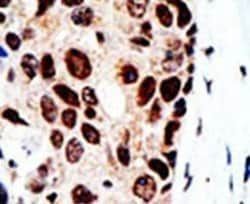
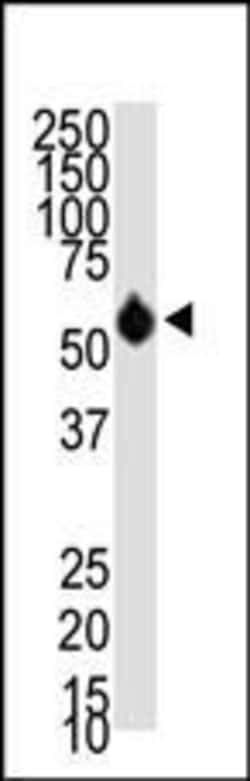
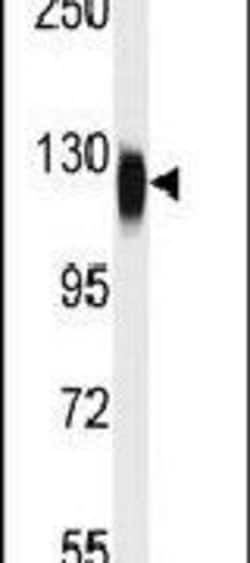
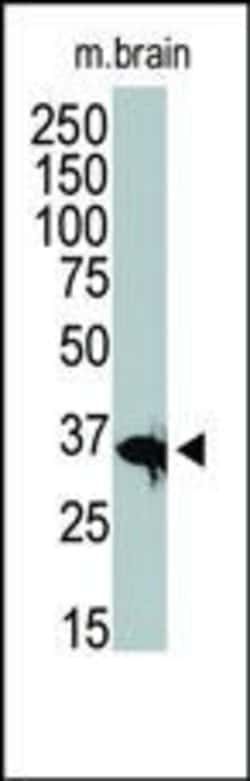
Description
- This antibody is predicted to react with chicken and mouse based on sequence homology
- In the intact cell, DNA closely associates with histones and other nuclear proteins to form chromatin
- The remodeling of chromatin is a critical component of transcriptional regulation and the acetylation of nucleosomal histones is a major source of this remodeling
- Acetylation of lysine residues in the amino terminal tail domain of histone results in an allosteric change in the nucleosomal conformation and an increased accessibility to transcription factors by DNA
- Several mammalian proteins function as nuclear histone acetylases, including GCN5, PCAF (p300/CBP-associated factor), p300/CBP, HAT1 and the TFIID subunit TAF II p250
- Conversely, the deacetylation of histones is associated with transcriptional silencing
- The histone deacetylases (HDAC) include HDAC1-9
- HDAC9 and HDAC9a are two alternatively spliced isoforms of HDAC9
- HDAC9a is 132 amino acids shorter than HDAC9, but both isoforms contain the HDAC catalytic domain, remain capable of deacetylase activity and repress myoctye enhancer-binding factor 2-mediated transcription
- HDAC9 and HDAC9a are expressed in brain, skeletal muscle, kidney, placenta and pancreas.