ACSS2 Polyclonal Antibody, Invitrogen™
Manufacturer: Thermo Scientific
Select a Size
| Pack Size | SKU | Availability | Price |
|---|---|---|---|
| Each of 1 | PIPA5113395-Each-of-1 | In Stock | ₹ 42,853.50 |
PIPA5113395 - Each of 1
In Stock
Quantity
1
Base Price: ₹ 42,853.50
GST (18%): ₹ 7,713.63
Total Price: ₹ 50,567.13
Antigen
ACSS2
Classification
Polyclonal
Conjugate
Unconjugated
Gene
Acss2
Gene Alias
1110017C11Rik; ACAS; Acas1; Acas2; ACECS; AceCS1; acetate thiokinase; acetate-CoA ligase; acetate--CoA ligase; Acetyl-CoA synthetase; Acetyl-CoA synthetase 1; acetyl-Coenzyme A synthetase 1 (AMP forming); acetyl-Coenzyme A synthetase 2 (ADP forming); acetyl-Coenzyme A synthetase 2 (AMP forming); acetyl-coenzyme A synthetase, cytoplasmic; ACS; Acs1; ACSA; ACSS2; Acyl-activating enzyme; acyl-CoA synthetase short-chain family member 2; cytoplasmic acetyl-coenzyme A synthetase; dJ1161H23.1; Propionate--CoA ligase
Host Species
Rabbit
Purification Method
Antigen affinity chromatography
Regulatory Status
RUO
Gene ID (Entrez)
55902, 60525
Content And Storage
-20°C or -80°C if preferred
Form
Liquid
Applications
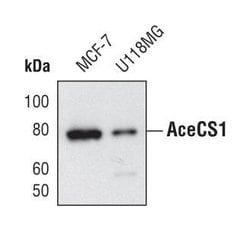
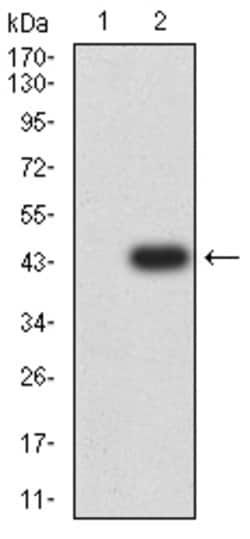
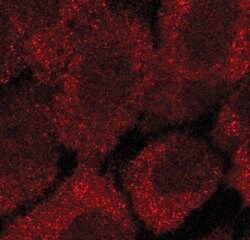
ELISA, Immunohistochemistry (Paraffin), Western Blot
Concentration
1.27 mg/mL
Formulation
PBS with 50% glycerol and 0.02% sodium azide; pH 7.3
Gene Accession No.
Q9NR19, Q9QXG4
Gene Symbols
Acss2
Immunogen
Recombinant Human Acetyl-coenzyme A synthetase, cytoplasmic protein (462-701AA)
Quantity
100 μL
Primary or Secondary
Primary
Target Species
Human, Mouse
Product Type
Antibody
Isotype
IgG
Related Products

Description
- This gene encodes a protein with a sterol sensing domain (SSD) and seven WD domains
- In the presence of cholesterol, this protein binds to sterol regulatory element binding proteins (SREBPs) and mediates their transport from the ER to the Golgi
- The SREBPs are then proteolytically cleaved and regulate sterol biosynthesis.