PIPA5122283
Complement C9 Polyclonal Antibody, Invitrogen™
Manufacturer: Thermo Scientific
Select a Size
| Pack Size | SKU | Availability | Price |
|---|---|---|---|
| Each of 1 | PIPA5122283-Each-of-1 | In Stock | ₹ 19,669.00 |
PIPA5122283 - Each of 1
In Stock
Quantity
1
Base Price: ₹ 19,669.00
GST (18%): ₹ 3,540.42
Total Price: ₹ 23,209.42
Antigen
Complement C9
Classification
Polyclonal
Conjugate
Unconjugated
Gene
C9
Gene Alias
ARMD15; C9; C9D; complement C9; complement component 9; complement component C9; Complement component C9a; Complement component C9b; complement protein C9; complement protein C9 precursor
Host Species
Guinea Pig
Purification Method
Antigen affinity chromatography
Regulatory Status
RUO
Gene ID (Entrez)
100009197
Content And Storage
-20°C
Form
Liquid
Applications
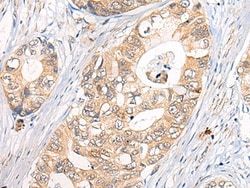
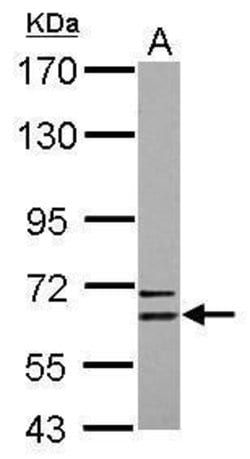
Immunohistochemistry (Paraffin), Western Blot
Concentration
500 μg/mL
Formulation
PBS with 50% glycerol and 0.05% ProClin 300
Gene Accession No.
P48747
Gene Symbols
C9
Immunogen
Recombinant protein Complement Component 9. The antigen corresponds to amino acid range 139-519 of the target protein.
Quantity
20 μL
Primary or Secondary
Primary
Target Species
Rabbit
Product Type
Antibody
Isotype
IgG
Related Products
Description
- C5b-9 membrane attack complexes are assembled from five precursor molecules in the serum
- Proteolytic cleavage of C5 by C5 convertase generates C5b which initiates assembly of the C5b-9 complex
- The last step of C5b-9 complex formation involves polymerization of C9 which accompanies insertion of the complex into the cell membrane
- During formation of C5b-8 and C9 polymerization, neoantigens are generated which are unique to the C5b-9 complex and are not present on any of the individual native complex components
- The complement regulatory proteins CD59 and complement S-protein can both prevent C5b-9 insertion into the cell membrane
- The formed SC5b-9 complex is unable to attach to cells and is cytolytically inactive
- C5b-9 is involved in the progression of chronic proteinuric renal disease by mediating continuous tubulointerstitial damage
- Early tubulointerstitial injury in the remnant kidney can be improved when C5b-9 complex forming is abrogated.