XPA Polyclonal Antibody, Invitrogen™
Manufacturer: Thermo Scientific
Select a Size
| Pack Size | SKU | Availability | Price |
|---|---|---|---|
| Each of 1 | PIPA527852-Each-of-1 | In Stock | ₹ 51,486.50 |
PIPA527852 - Each of 1
In Stock
Quantity
1
Base Price: ₹ 51,486.50
GST (18%): ₹ 9,267.57
Total Price: ₹ 60,754.07
Antigen
XPA
Classification
Polyclonal
Conjugate
Unconjugated
Gene
XPA
Gene Alias
AI573865; DNA repair protein complementing XP-A cells; DNA repair protein complementing XP-A cells homolog; excision repair-controlling; mutant xeroderma pigmentosum complementation group A; xeroderma pigmentosum group A-complementing protein; Xeroderma pigmentosum group A-complementing protein homolog; xeroderma pigmentosum, complementation group A; XP1; XPA; XPA, DNA damage recognition and repair factor; Xpac
Host Species
Rabbit
Purification Method
Antigen affinity chromatography
Regulatory Status
RUO
Gene ID (Entrez)
7507
Content And Storage
Store at 4°C short term. For long term storage, store at -20°C, avoiding freeze/thaw cycles.
Form
Liquid
Applications
Immunocytochemistry, Immunohistochemistry (Paraffin), Immunoprecipitation, Western Blot
Concentration
1 mg/mL
Formulation
0.1M tris glycine with 10% glycerol and 0.01% thimerosal; pH 7
Gene Accession No.
P23025
Gene Symbols
XPA
Immunogen
Recombinant fragment corresponding to a region within amino acids 5 and 273 of Human XPA
Quantity
100 μL
Primary or Secondary
Primary
Target Species
Human
Product Type
Antibody
Isotype
IgG
Related Products
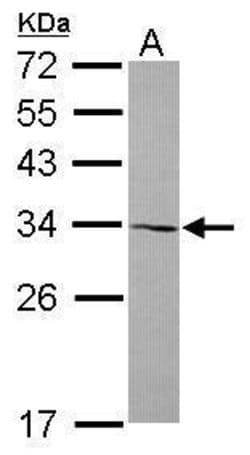


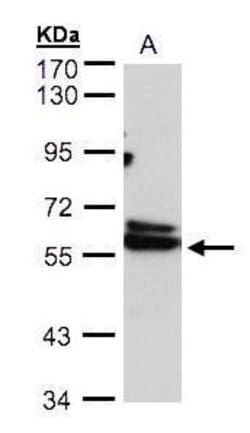

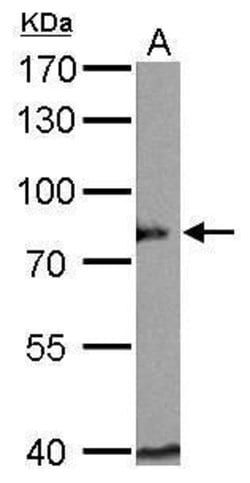
Description
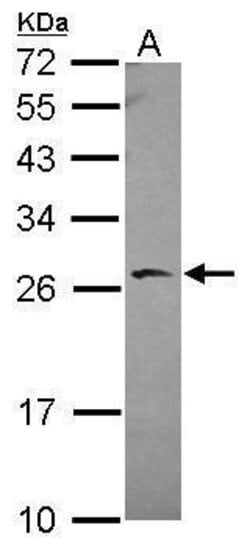
- Recommended positive controls: 293T
- Predicted reactivity: Mouse (88%), Bovine (93%)
- Store product as a concentrated solution
- Centrifuge briefly prior to opening the vial
- The XPA (xeroderma pigmentosumgroup A) protein specifically recognizes the UV-orchemically damaged DNA lesions, and triggers thenucleotide excision repair process
- XPA binds to thereplication protein A (RPA) or the excision repaircross complementing 1 protein (ERCC 1)
- In the absence of nucleotide excision repair persisting (unrepaired) DNA lesions (adducts) may lead to the accumulation of gene mutations and μgtimately to cancer
- Xeroderma pigmentosum patients have a >2000 fold increased risk to develop skin cancer atsun-exposed areas.