50-166-0092
TPMT Mouse anti-Canine, Human, Clone: OTI4C1, lyophilized, TrueMAB™
Manufacturer: OriGene
Select a Size
| Pack Size | SKU | Availability | Price |
|---|---|---|---|
| Each of 1 | 50-166-0092-Each-of-1 | In Stock | ₹ 60,342.00 |
50-166-0092 - Each of 1
In Stock
Quantity
1
Base Price: ₹ 60,342.00
GST (18%): ₹ 10,861.56
Total Price: ₹ 71,203.56
Antigen
TPMT
Classification
Monoclonal
Conjugate
Unconjugated
Gene
TPMT
Gene Alias
TPMTD
Host Species
Mouse
Purification Method
Affinity Chromatography
Regulatory Status
RUO
Gene ID (Entrez)
403536, 7172
Content And Storage
-20° C, Avoid Freeze/Thaw Cycles
Form
Lyophilized
Applications
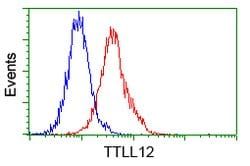
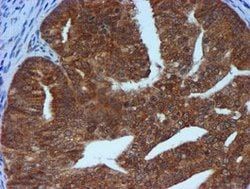
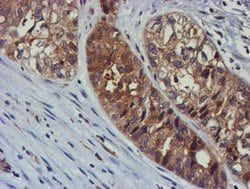
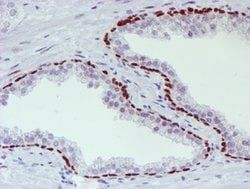
Flow Cytometry, Immunohistochemistry (Paraffin), Western Blot
Clone
OTI4C1
Formulation
PBS with 8% trehalose and no preservative; pH 7.3
Gene Accession No.
P51580, Q8HX86
Gene Symbols
TPMT
Immunogen
Full length human recombit protein of human TPMT produced in HEK293T cell.
Quantity
100 μg
Primary or Secondary
Primary
Target Species
Canine, Human
Product Type
Antibody
Isotype
IgG1
Related Products
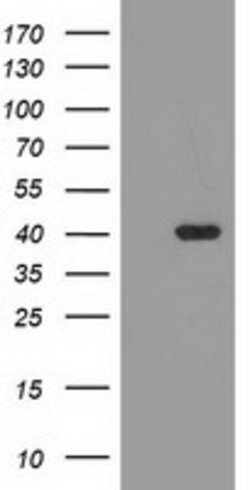
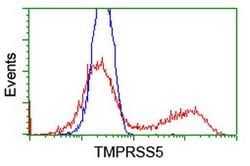
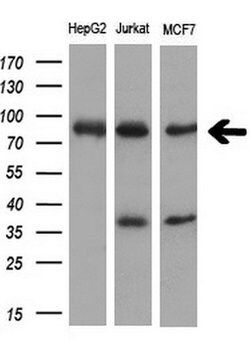
Description
- Reconstitute with PBS (pH 7.3) and recommend to perform another round of desalting process using Product No
- 7KMWCO Catalyzes the S-methylation of thiopurine drugs such as 6-mercaptopurine
- Defects in TPMT are the cause of thiopurine S-methyltransferase deficiency (TPMT deficiency).TPMT is an enzyme involved in the normal metabolic inactivation of thiopurine drugs
- These drugs are generally used as immunosupressants or cytotoxic drugs and are prescribed for a variety of clinical conditions including leukemia, autoimmune disease and organ transplantation
- Patients with intermediate or no TPMT activity are at risk of toxicity after receiving standard doses of thiopurine drugs and it is shown that inter-individual differences in response to these drugs are largely determined by genetic variation at the TPMT locus.