50-172-6612
CD69 Rabbit anti-Human, Polyclonal, Proteintech
Manufacturer: Proteintech Group Inc
Select a Size
| Pack Size | SKU | Availability | Price |
|---|---|---|---|
| Each of 1 | 50-172-6612-Each-of-1 | In Stock | ₹ 44,150.23 |
50-172-6612 - Each of 1
In Stock
Quantity
1
Base Price: ₹ 44,150.23
GST (18%): ₹ 7,947.041
Total Price: ₹ 52,097.271
Antigen
CD69
Classification
Polyclonal
Conjugate
Unconjugated
Gene
CD69
Gene Alias
Activation inducer molecule, AIM, BL AC/P26, CD69, CD69 molecule, CLEC2C, EA1, Early activation antigen CD69, GP32/28, MLR 3
Host Species
Rabbit
Purification Method
Antigen Affinity Chromatography
Regulatory Status
RUO
Gene ID (Entrez)
969
Content And Storage
-20°C
Form
Liquid
Applications
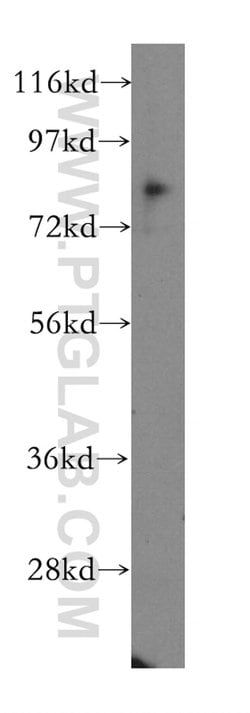
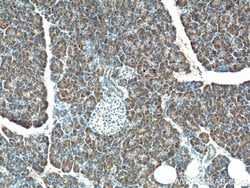
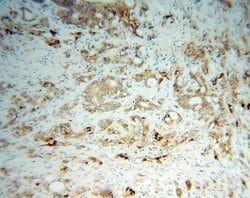
Immunohistochemistry (Paraffin), Western Blot
Concentration
0.24 mg/mL
Formulation
PBS with 50% glycerol and 0.1% sodium azide; pH 7.3
Gene Accession No.
Q07108
Gene Symbols
CD69
Immunogen
CD69 Fusion Protein Ag1094
Quantity
150 μL
Primary or Secondary
Primary
Target Species
Human
Product Type
Antibody
Isotype
IgG
Related Products



Description
- CD69 (AIM, Active Inducer Molecule) is a gp28/34 disulfide bonded homodimer with a molecular weight of 60 kDa under non-reducing conditions
- CD69 contains one or two N linked oligosacaride and the molecule is present on activated platelets
- In normal peripheral blood a variable percentage of cells express the CD69 antigen, and it is involved in lymphocyte signal transduction
- Expression CD69 is induced upon activation of T lymphocytes, and may play a role in proliferation
- Furthermore, the protein may act to transmit signals in natural killer cells and platelets
- Alternative splicing results in multiple transcript variants of CD69
- Diseases associated with CD69 dysfunction include coccidiodomycosis and asthma.