50-172-7706
G0S2 Rabbit anti-Human, Mouse, Polyclonal, Proteintech
Manufacturer: Proteintech Group Inc
Select a Size
| Pack Size | SKU | Availability | Price |
|---|---|---|---|
| Each of 1 | 50-172-7706-Each-of-1 | In Stock | ₹ 44,150.23 |
50-172-7706 - Each of 1
In Stock
Quantity
1
Base Price: ₹ 44,150.23
GST (18%): ₹ 7,947.041
Total Price: ₹ 52,097.271
Antigen
G0S2
Classification
Polyclonal
Conjugate
Unconjugated
Gene
G0S2
Gene Alias
G0/G1switch 2, G0S2, RP1 28O10.2
Host Species
Rabbit
Purification Method
Antigen Affinity Chromatography
Regulatory Status
RUO
Gene ID (Entrez)
14373, 50486
Content And Storage
-20°C
Form
Liquid
Applications
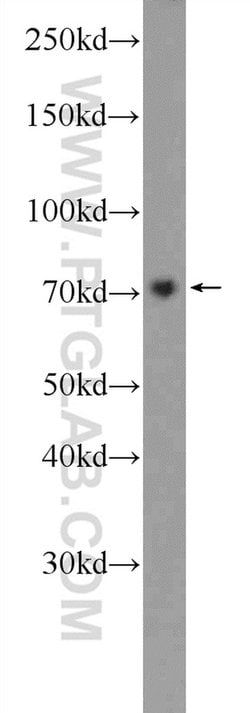
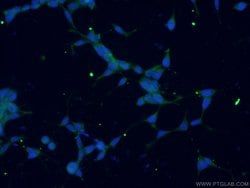
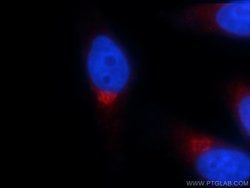
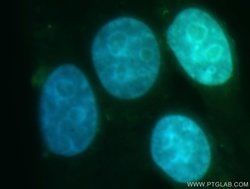
Immunocytochemistry, Immunofluorescence, Western Blot
Concentration
0.17 mg/mL
Formulation
PBS with 50% glycerol and 0.1% sodium azide; pH 7.3
Gene Accession No.
P27469, Q61585
Gene Symbols
G0S2
Immunogen
G0S2 Fusion Protein Ag2731
Quantity
150 μL
Primary or Secondary
Primary
Target Species
Human, Mouse
Product Type
Antibody
Isotype
IgG
Related Products



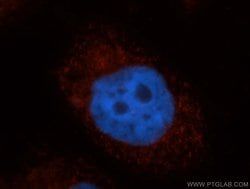
Description
- Description The G(0)-G(1) switch gene 2 (G0S2) codes for a mitochondrial protein that is important in apoptosis, lipolysis, and triacylglycerol hydrolysis
- In adipocytes, G0S2 binds to adipose triglyceride lipase and decreases the breakdown of lipid droplets
- In Crohn′s colitis, the presence of G0S2 is increased in correlation to the amount of non-converted lipid in waste
- In squamous lung cancer, mutations in the G0S2 gene are common
- In breast cancer, epigenetic silencing of G0S2 occurs, and normal apoptotic regulation of aberrant cells is negatively impacted
- However, when G0S2 is not epigenetically modified, it is the best mediator of the Bcl-2/Bax heterodimer, resulting in apoptosis of cancerous cells.