50-172-7739
TIA1 Rabbit anti-Human, Mouse, Rat, Polyclonal, Proteintech
Manufacturer: Proteintech Group Inc
Select a Size
| Pack Size | SKU | Availability | Price |
|---|---|---|---|
| Each of 1 | 50-172-7739-Each-of-1 | In Stock | ₹ 44,150.23 |
50-172-7739 - Each of 1
In Stock
Quantity
1
Base Price: ₹ 44,150.23
GST (18%): ₹ 7,947.041
Total Price: ₹ 52,097.271
Antigen
TIA1
Classification
Polyclonal
Conjugate
Unconjugated
Gene
TIA1
Gene Alias
Nucleolysin TIA 1 isoform p40, p40 TIA 1, RNA binding protein TIA 1, TIA 1, TIA1
Host Species
Rabbit
Purification Method
Antigen Affinity Chromatography
Regulatory Status
RUO
Gene ID (Entrez)
21841, 312510, 7072
Content And Storage
-20°C
Form
Liquid
Applications
Immunohistochemistry (Paraffin), Immunoprecipitation, Western Blot
Concentration
0.23 mg/mL
Formulation
PBS with 50% glycerol and 0.1% sodium azide; pH 7.3
Gene Accession No.
P31483, P52912
Gene Symbols
Tia1
Immunogen
TIA1 Fusion Protein Ag2778
Quantity
150 μL
Primary or Secondary
Primary
Target Species
Human, Mouse, Rat
Product Type
Antibody
Isotype
IgG
Related Products


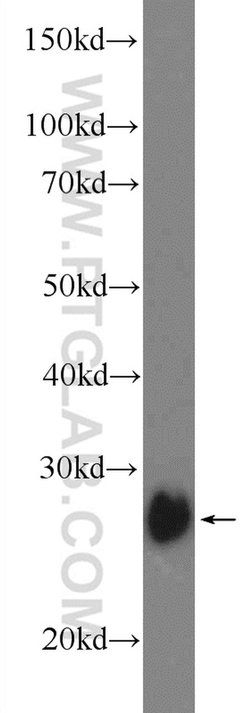
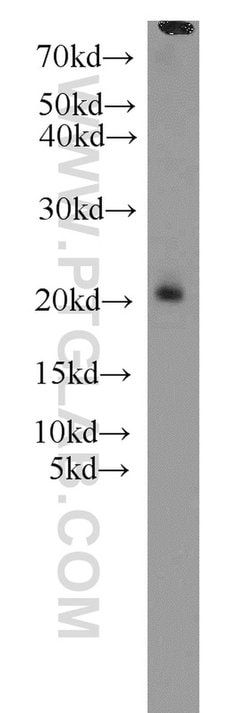

Description
- The product encoded by this gene is a member of a RNA-binding protein family and possesses nucleolytic activity against cytotoxic lymphocyte (CTL) target cells
- It has been suggested that this protein may be involved in the induction of apoptosis as it preferentially recognizes poly (A) homopolymers and induces DNA fragmentation in CTL targets
- The major granule-associated species is a 15-kDa protein that is thought to be derived from the carboxyl terminus of the 40-kDa product by proteolytic processing
- Alternative splicing resulting in different isoforms of this gene product has been described in the literature.