50-173-0000
GSTO1 Rabbit anti-Human, Mouse, Rat, Polyclonal, Proteintech
Manufacturer: Proteintech Group Inc
Select a Size
| Pack Size | SKU | Availability | Price |
|---|---|---|---|
| Each of 1 | 50-173-0000-Each-of-1 | In Stock | ₹ 44,150.23 |
50-173-0000 - Each of 1
In Stock
Quantity
1
Base Price: ₹ 44,150.23
GST (18%): ₹ 7,947.041
Total Price: ₹ 52,097.271
Antigen
GSTO1
Classification
Polyclonal
Conjugate
Unconjugated
Gene
GSTO1
Gene Alias
GSTO 1, GSTO1, GSTTLp28, P28
Host Species
Rabbit
Purification Method
Antigen Affinity Chromatography
Regulatory Status
RUO
Gene ID (Entrez)
114846, 14873, 9446
Content And Storage
-20°C
Form
Liquid
Applications
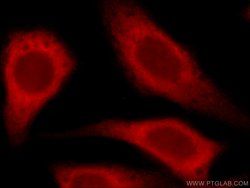
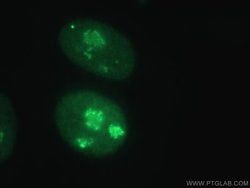
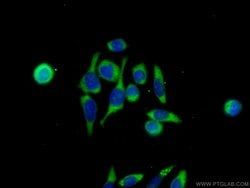
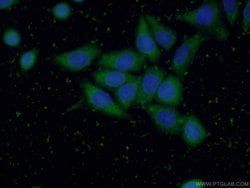
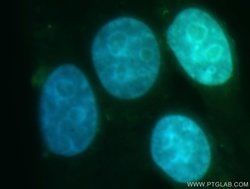
Immunocytochemistry, Immunofluorescence, Immunohistochemistry (Paraffin), Immunoprecipitation, Western Blot
Concentration
0.3 mg/mL
Formulation
PBS with 50% glycerol and 0.02% sodium azide; pH 7.3
Gene Accession No.
O09131, P78417, Q9Z339
Gene Symbols
GSTO1
Immunogen
GSTO1 Fusion Protein Ag7199
Quantity
150 μL
Primary or Secondary
Primary
Target Species
Human, Mouse, Rat
Product Type
Antibody
Isotype
IgG
Related Products


Description
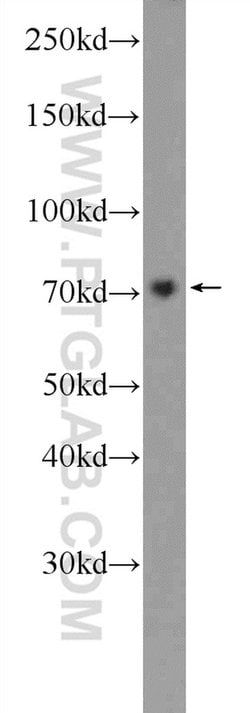
- This antibody detects both monomer (27-30 kDa) and dimer forms of GSTO1 (54-64 kDa)
- GSTO1 (glutathione S-transferase omega 1), also known as p28 or GSTTLp28, is a 241 amino acid protein that localizes to the cytoplasm and contains both an N-terminal and a C-terminal GST domain
- Expressed ubiquitously with highest expression in heart, liver and skeletal muscle, GSTO1 exists as a homodimer that functions as both a glutathione-dependent thiol transferase and a dehydroascorbate reductase
- Specifically, GSTO1 catalyzes the reaction of glutathione with a wide variety of organic compounds to form thioethers, a process that is essential for the metabolism and detoxification of a variety of xenobiotics and carcinogens
- Human GSTO1 shares 70% sequence homology with its rodent counterpart, suggesting a conserved role between species
- Polymorphisms in the gene encoding GSTO1 may be associated with the development of childhood acute lymphoblastic leukemia, Parkinson′s disease and Alzheimer disease.