50-173-2939
FOXP2 Rabbit anti-Human, Mouse, Rat, Polyclonal, Proteintech
Manufacturer: Proteintech Group Inc
Select a Size
| Pack Size | SKU | Availability | Price |
|---|---|---|---|
| Each of 1 | 50-173-2939-Each-of-1 | In Stock | ₹ 44,150.23 |
50-173-2939 - Each of 1
In Stock
Quantity
1
Base Price: ₹ 44,150.23
GST (18%): ₹ 7,947.041
Total Price: ₹ 52,097.271
Antigen
FOXP2
Classification
Polyclonal
Conjugate
Unconjugated
Gene
FOXP2
Gene Alias
CAG repeat protein 44, CAGH44, forkhead box P2, Forkhead box protein P2, FOXP2, SPCH1, TNRC10
Host Species
Rabbit
Purification Method
Antigen Affinity Chromatography
Regulatory Status
RUO
Gene ID (Entrez)
114142, 500037, 93986
Content And Storage
-20°C
Form
Liquid
Applications
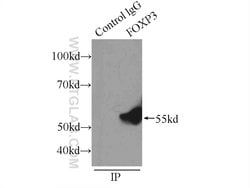
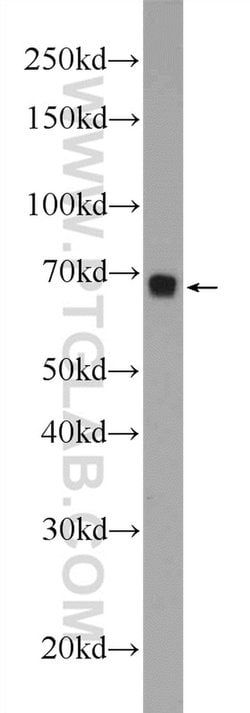
Immunoprecipitation, Western Blot
Concentration
0.13 mg/mL
Formulation
PBS with 50% glycerol and 0.02% sodium azide; pH 7.3
Gene Accession No.
O15409, P0CF24, P58463
Gene Symbols
Foxp2
Immunogen
FOXP2 Fusion Protein Ag14391
Quantity
150 μL
Primary or Secondary
Primary
Target Species
Human, Mouse, Rat
Product Type
Antibody
Isotype
IgG
Related Products



Description
- Description This gene encodes a member of the forkhead/winged-helix family of transcription factors
- It is expressed in fetal and adult brain as well as in several other organs such as the lung and gut
- The protein product contains a FOX DNA-binding domain and a large polyglutamine tract and is an evolutionarily conserved transcription factor, which may bind directly to approximately 300 to 400 gene promoters in the human genome to regulate the expression of a variety of genes
- This gene is required for proper development of speech and language regions of the brain during embryogenesis, and may be involved in a variety of biological pathways and cascades that may ultimately influence language development
- Mutations in this gene cause speech-language disorder 1, also known as autosomal domit speech and language disorder with orofacial dyspraxia
- Multiple alternative transcripts encoding different isoforms have been identified in this gene.