50-173-6741
PEX5 Mouse anti-Human, Porcine, Rat, Clone: 1C2C3, Proteintech
Manufacturer: Proteintech Group Inc
Select a Size
| Pack Size | SKU | Availability | Price |
|---|---|---|---|
| Each of 1 | 50-173-6741-Each-of-1 | In Stock | ₹ 44,150.23 |
50-173-6741 - Each of 1
In Stock
Quantity
1
Base Price: ₹ 44,150.23
GST (18%): ₹ 7,947.041
Total Price: ₹ 52,097.271
Antigen
PEX5
Classification
Monoclonal
Concentration
1 mg/mL
Formulation
PBS with 50% glycerol and 0.02% sodium azide; pH 7.3
Gene Accession No.
P50542, Q2M2R8
Gene Symbols
Pex5
Immunogen
PEX5 Fusion Protein Ag3268
Quantity
150 μL
Primary or Secondary
Primary
Target Species
Human, Porcine, Rat
Product Type
Antibody
Isotype
IgG1
Applications
Immunohistochemistry (Paraffin), Western Blot
Clone
1C2C3
Conjugate
Unconjugated
Gene
PEX5
Gene Alias
Peroxin 5, Peroxisome receptor 1, PEX5, PTS1 BP, PTS1 receptor, PTS1R, PXR1
Host Species
Mouse
Purification Method
Protein G
Regulatory Status
RUO
Gene ID (Entrez)
100512963, 312703, 5830
Content And Storage
-20°C
Form
Liquid
Related Products
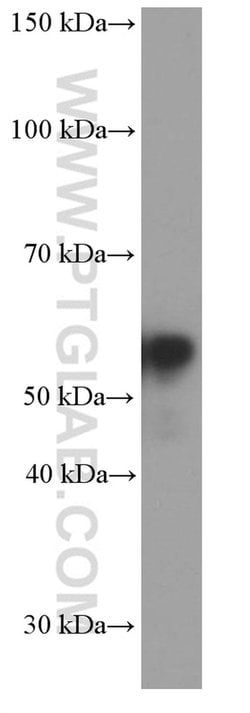

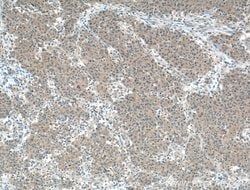

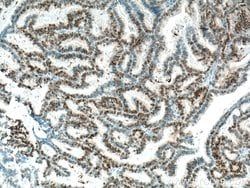


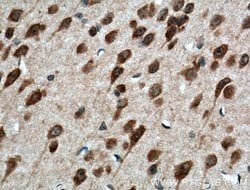
Description
- The product of this gene binds to the C-terminal PTS1-type tripeptide peroxisomal targeting signal (SKL-type) and plays an essential role in peroxisomal protein import
- Peroxins (PEXs) are proteins that are essential for the assembly of functional peroxisomes
- The peroxisome biogenesis disorders (PBDs) are a group of genetically heterogeneous autosomal recessive, lethal diseases characterized by multiple defects in peroxisome function
- The peroxisomal biogenesis disorders are a heterogeneous group with at least 14 complementation groups and with more than 1 phenotype being observed in cases falling into particular complementation groups
- Although the clinical features of PBD patients vary, cells from all PBD patients exhibit a defect in the import of one or more classes of peroxisomal matrix proteins into the organelle
- Defects in this gene are a cause of neonatal adrenoleukodystrophy (NALD), a cause of Zellweger syndrome (ZWS) as well as may be a cause of infantile Refsum disease (IRD)
- Alternatively spliced transcript variants encoding different isoforms have been identified.