50-173-7162
TRAF4 Mouse anti-Human, Clone: 2C9A11, Proteintech
Manufacturer: Proteintech Group Inc
Select a Size
| Pack Size | SKU | Availability | Price |
|---|---|---|---|
| Each of 1 | 50-173-7162-Each-of-1 | In Stock | ₹ 44,150.23 |
50-173-7162 - Each of 1
In Stock
Quantity
1
Base Price: ₹ 44,150.23
GST (18%): ₹ 7,947.041
Total Price: ₹ 52,097.271
Antigen
TRAF4
Classification
Monoclonal
Concentration
1 mg/mL
Formulation
PBS with 50% glycerol and 0.1% sodium azide; pH 7.3
Gene Accession No.
Q9BUZ4
Gene Symbols
TRAF4
Immunogen
TRAF4 Fusion Protein Ag27221
Quantity
150 μL
Primary or Secondary
Primary
Target Species
Human
Product Type
Antibody
Isotype
IgG1
Applications
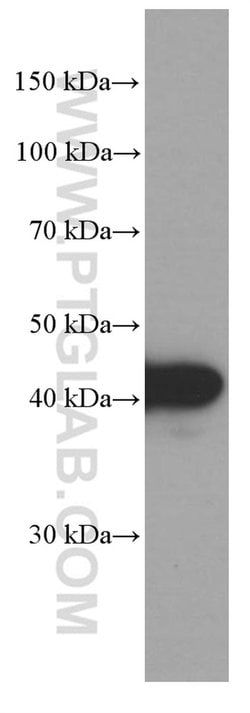
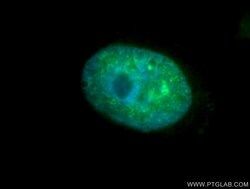
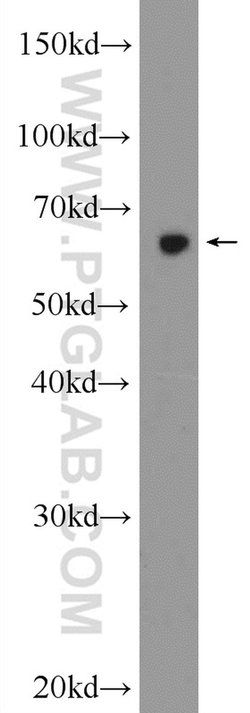
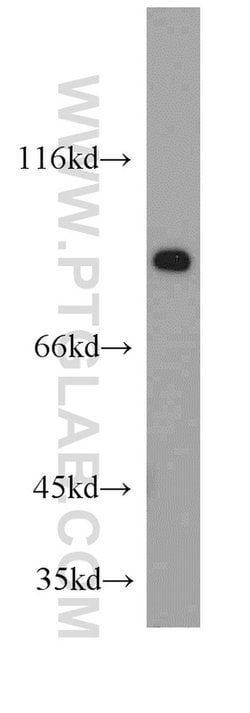
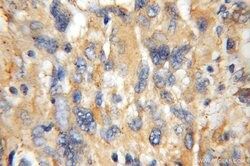
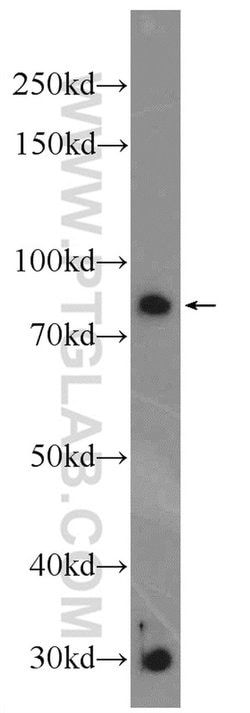
Immunocytochemistry, Immunofluorescence, Immunohistochemistry (Paraffin), Western Blot
Clone
2C9A11
Conjugate
Unconjugated
Gene
TRAF4
Gene Alias
CART1, MLN 62, MLN62, RING finger protein 83, RNF83, TRAF4
Host Species
Mouse
Purification Method
Protein G
Regulatory Status
RUO
Gene ID (Entrez)
9618
Content And Storage
-20°C
Form
Liquid
Related Products


Description
- The tumor necrosis factor (TNF) receptor superfamily is composed of several type I integral membrane glycoproteins that exhibit homology in their cystinerich extracellular domains
- Members of this family include TNF-RI, TNF-RII and CD40
- Ligands for these receptors can be small, secreted proteins, such as TNF, or type II integral membrane proteins, as is the case for the CD40 ligand, CD40L
- While the signal transduction mechanism of the TNF receptor superfamily is poorly understood, activation of TNF-R or CD40 have been shown to induce the nuclear translocation of NFkappa B
- Members of the TRAF (TNF receptor-associated factor) family have been implicated in this process
- Four members have thus far been described and are designated TRAF1, TRAF2, TRAF3 (variously referred to as CRAF1, LAP1 or CD40bp) and TRAF4
- TRAF4, originally termed CART1, is specifically expressed in breast carcinomas, and is localized to the nucleus in such tissues.