53-141-182
CD141 Monoclonal Antibody (LS17-9), Alexa Fluor™ 488, eBioscience™, Invitrogen™
Manufacturer: Invitrogen
Select a Size
| Pack Size | SKU | Availability | Price |
|---|---|---|---|
| Each of 1 | 53-141-182-Each-of-1 | In Stock | ₹ 34,443.00 |
53-141-182 - Each of 1
In Stock
Quantity
1
Base Price: ₹ 34,443.00
GST (18%): ₹ 6,199.74
Total Price: ₹ 40,642.74
Antigen
CD141
Classification
Monoclonal
Concentration
0.5 mg/mL
Formulation
PBS with 0.09% sodium azide; pH 7.2
Gene Accession No.
P15306
Gene Symbols
THBD
Purification Method
Affinity chromatography
Regulatory Status
RUO
Gene ID (Entrez)
21824
Content And Storage
4° C, store in dark, DO NOT FREEZE!
Form
Liquid
Applications
Flow Cytometry, Immunocytochemistry, Immunohistochemistry (Frozen)
Clone
LS17-9
Conjugate
Alexa Fluor 488
Gene
THBD
Gene Alias
AHUS6; AI385582; BDCA3; BDCA-3; CD141; CD141 antigen; DC141; fetomodulin; sCD141; snoRNA MBII-339; soluble CD141; THBD; THPH12; THRM; thrombomdulin; thrombomodulin; thrombomodulin precursor; TM
Host Species
Rat
Quantity
100 μg
Primary or Secondary
Primary
Target Species
Mouse
Product Type
Antibody
Isotype
IgG2a κ
Related Products
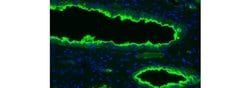
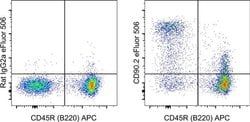
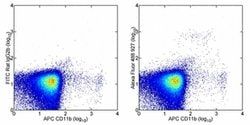


Description
- The MAb LS17-9 recognizes mouse CD141 (Thrombomodulin, BDCA-3), a type I cell surface glycoprotein that binds to and allosterically activates thrombin
- This complex cleaves protein C and the Thrombin Activatable Fibrinolysis Inhibitor (TAFI), initiating an important anticoagulant and antifibrinolytic pathway
- Although expressed across many tissues and cell types, its highest expression has been reported on the lumenal surface of vascular endothelial cell
- In the immune system the highest expression can be observed on monocytes and macrophages
- Soluble CD141 is constitutively present in the serum at a very low level, and can be upregulated during inflammation
- The anti-inflammatory activity of CD141 results from its ability to block the highly pro-inflammatory activity of thrombin
- CD141 prevents chemotaxis and binding of granulocytes to activated endothelium, and inhibits activation of eosinophils and mast cells thereby reducing inflammation
- Although human CD141 is commonly used as a marker of cross-presenting dendritic cells, mouse CD141 does not exhibit the same expression pattern
- Thrombomodulin (TM) is also known as Fetomodulin (FM), endothelial anticoagulant protein, or glycoprotein P112
- Thrombomodulin contains six repeated domains homologous with epidermal growth factor (EGF) and an amino terminal domain homologous to lectin-like protein
- Through its accelerated activation of protein C, synthesis of TM is one of several mechanisms important in maintaining thrombo-resistance and thus reducing clot formation on the surface of the endothelial cells
- Immunohistochemical staining of formalin-fixed tissue for TM has been used for the study of a variety of vascular tumors, meningiomas and choriocarcinomas.