7069326
CD68 Monoclonal Antibody (FA-11), eBioscience™, Invitrogen™
Rat Monoclonal Antibody
Manufacturer: Fischer Scientific
The price for this product is unavailable. Please request a quote
Antigen
CD68
Concentration
0.5 mg/mL
Classification
Monoclonal
Form
Liquid
Regulatory Status
RUO
Formulation
PBS with 0.09% sodium azide; pH 7.2
Gene Alias
CD68; CD68 antigen; CD68 molecule; GP110; Lamp4; macrophage antigen CD68; macrosialin; Scard1; scavenger receptor class D, member 1; similar to CD68 antigen
Gene Symbols
Cd68
Primary or Secondary
Primary
Content And Storage
4° C
Gene
Cd68
Clone
FA-11
Applications
Flow Cytometry, Immunocytochemistry, Immunohistochemistry (Frozen)
Conjugate
Unconjugated
Host Species
Rat
Target Species
Mouse
Gene Accession No.
P31996
Gene ID (Entrez)
12514
Isotype
IgG2a κ
Purification Method
Affinity chromatography
Product Type
Antibody
Related Products


Description
- Description: This FA-11 monoclonal antibody reacts with mouse CD68, known also as macrosialin
- CD68 is a heavily O- and N- glycosylated type I integral membrane protein belonging to the sialomucin family and is closely related to the Lysosomal/endosomal-Associated Membrane Glycoproteins (LAMP)
- Although commonly used as a pan-macrophage marker, low levels of expression have also been observed in Langerhans cells and conventional dendritic cells
- CD68 is mostly localized in the late endosomes and lysosomes with a smaller fraction circulating to the cell surface
- In the steady state, only about 10-15% of CD68 is present at the surface
- Cell stimulation increases expression of CD68, its transport to cell surface, and results in glycoform remodeling
- CD68 binds oxidized LDL and is involved in the process of phagocytosis
- The FA-11 antibody is not recommended for use in immunohistochemistry of formalin-fixed paraffin embedded tissues
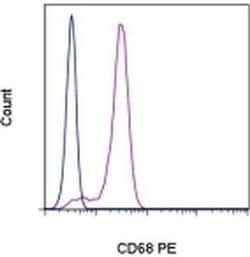
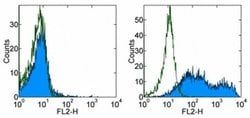
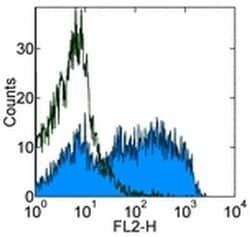
- Applications Reported: This FA-11 antibody has been reported for use in intracellular staining followed by flow cytometric analysis, and immunohistochemical staining of frozen tissue sections
- (Fluorochrome conjugated FA-11 is recommended for use in intracellular flow cytometry.)
- Applications Tested: Anti-Mouse CD68 Purified has been tested by immunohistochemistry of frozen mouse tissue and can be used at less than or equal to 5 μg/mL
- CD68 (Macrosialin) is a 110 kDa integral membrane glycoprotein predominantly expressed on the intracellular lysomsomes of monocytes and macrophages and to a lesser extent by dendritic cells and peripheral blood granulocytes
- Also, CD68 could play a role in phagocytic activities of tissue macrophages, both in intracellular lysosomal metabolism and extracellular cell-cell and cell-pathogen interactions
- CD68 is expressed by interdigitating reticulum cells in tonsil and some histiocytic lymphoma or histiocytosis, acute myeloid leukemia (AML), and granulocytic sarcoma
- Elevated expression of CD68 has been demonstrated on CD34+ cells in various human malignancies, including several Acute Myeloid Leukemia studies.