89-018-461
CD209 molecule, Rabbit, Purified MaxPab™ Polyclonal Antibody, Abnova™
Manufacturer: Abnova Corporation
Select a Size
| Pack Size | SKU | Availability | Price |
|---|---|---|---|
| Each of 1 | 89-018-461-Each-of-1 | In Stock | ₹ 49,662.00 |
89-018-461 - Each of 1
In Stock
Quantity
1
Base Price: ₹ 49,662.00
GST (18%): ₹ 8,939.16
Total Price: ₹ 58,601.16
Antigen
CD209 molecule
Classification
Polyclonal
Description
Rabbit polyclonal antibody raised against a full-length human CD209 protein.
Gene
CD209
Gene Alias
CDSIGN/CLEC4L/DC-SIGN/DC-SIGN1/MGC129965
Host Species
Rabbit
Purification Method
Affinity Purified
Regulatory Status
RUO
Primary or Secondary
Primary
Target Species
Human, Mouse
Product Type
Antibody
Applications
Western Blot
Conjugate
Unconjugated
Formulation
PBS with no preservative; pH 7.4
Gene Accession No.
NM_021155
Gene Symbols
CD209
Immunogen
CD209 (NP_066978.1, 1 a.a. ∼ 404 a.a) full-length human protein.
Quantity
100 μg
Research Discipline
Cell Adhesion
Gene ID (Entrez)
30835
Content And Storage
Store at -20°C or lower. Aliquot to avoid repeated freezing and thawing.
Isotype
IgG
Related Products
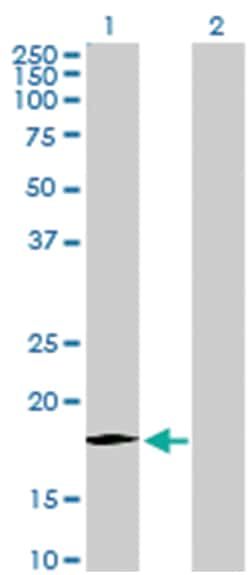
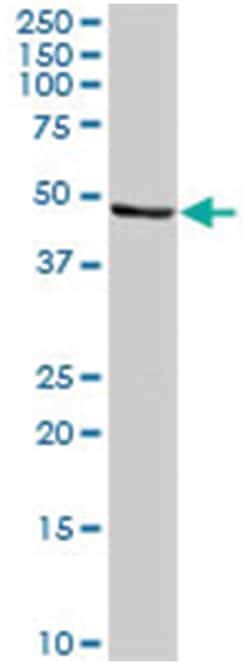
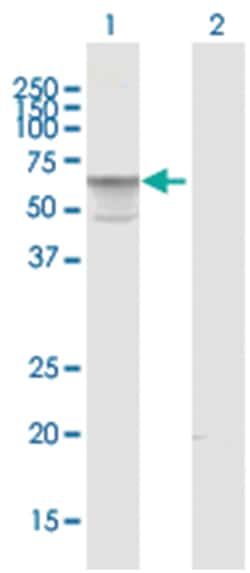
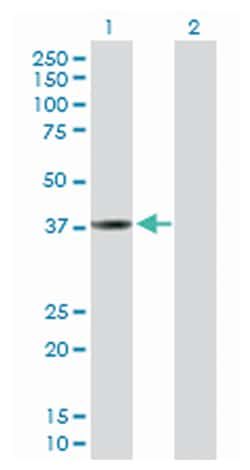
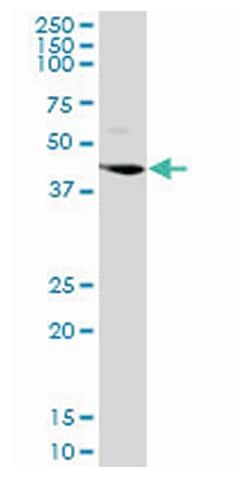
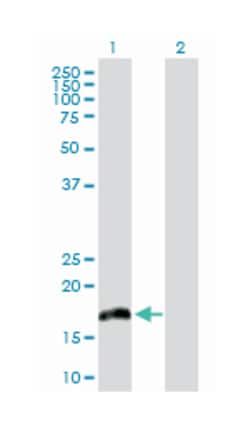
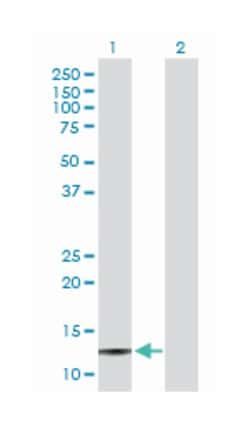
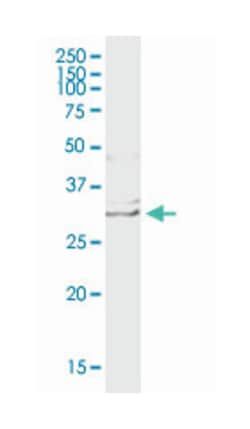
Description
- This gene encodes a transmembrane receptor and is often referred to as DC-SIGN because of its expression on the surface of dendritic cells and macrophages
- The encoded protein is involved in the innate immune system and recognizes numerous evolutionarily divergent pathogens ranging from parasites to viruses with a large impact on public health
- The protein is organized into three distinct domains: an N-terminal transmembrane domain, a tandem-repeat neck domain and C-type lectin carbohydrate recognition domain
- The extracellular region consisting of the C-type lectin and neck domains has a dual function as a pathogen recognition receptor and a cell adhesion receptor by binding carbohydrate ligands on the surface of microbes and endogenous cells
- The neck region is important for homo-oligomerization which allows the receptor to bind multivalent ligands with high avidity
- Variations in the number of 23 amino acid repeats in the neck domain of this protein are rare but have a significant impact on ligand binding ability
- This gene is closely related in terms of both sequence and function to a neighboring gene (GeneID 10332; often referred to as L-SIGN)
- DC-SIGN and L-SIGN differ in their ligand-binding properties and distribution
- Alternative splicing results in multiple variants Sequence: MSDSKEPRLQQLGLLEEEQLRGLGFRQTRGYKSLAGCLGHGPLVLQLLSFTLLAGLLVQVSKVPSSISQEQSRQDAIYQNLTQLKAAVGELSEKSKLQEIYQELTQLKAAVGELPEKSKLQEIYQELTRLKAAVGELPEKSKLQEIYQELTWLKAAVGELPEKSKMQEIYQELTRLKAAVGELPEKSKQQEIYQELTRLKAAVGELPEKSKQQEIYQELTRLKAAVGELPEKSKQQEIYQELTQLKAAVERLCHPCPWEWTFFQGNCYFMSNSQRNWHDSITACKEVGAQLVVIKSAEEQNFLQLQSSRSNRFTWMGLSDLNQEGTWQWVDGSPLLPSFKQYWNRGEPNNVGEEDCAEFSGNGWNDDKCNLAKFWICKKSAASCSRDEEQFLSPAPATPNPPPA