MA171509
HIV1 Tat Monoclonal Antibody (7), Invitrogen™
Manufacturer: Thermo Scientific
Select a Size
| Pack Size | SKU | Availability | Price |
|---|---|---|---|
| Each of 1 | MA171509-Each-of-1 | In Stock | ₹ 50,507.50 |
MA171509 - Each of 1
In Stock
Quantity
1
Base Price: ₹ 50,507.50
GST (18%): ₹ 9,091.35
Total Price: ₹ 59,598.85
Antigen
HIV1 Tat
Classification
Monoclonal
Concentration
1.0 mg/mL
Formulation
PBS with 0.1% sodium azide; pH 7.4
Host Species
Mouse
Purification Method
Protein G
Regulatory Status
RUO
Target Species
Virus
Product Type
Antibody
Isotype
IgG1
Applications
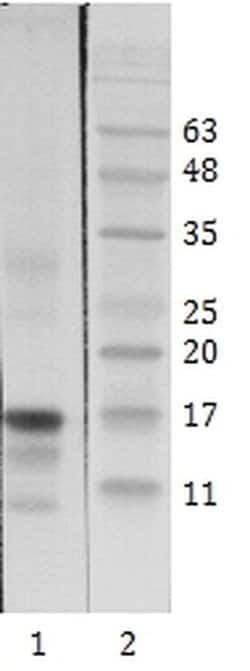
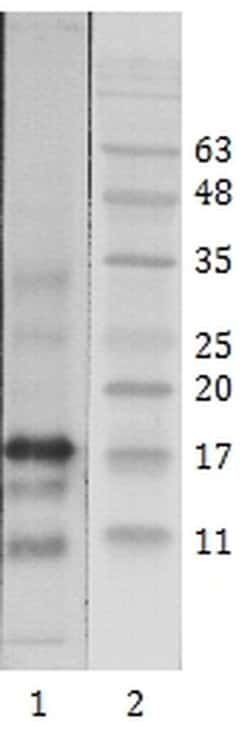
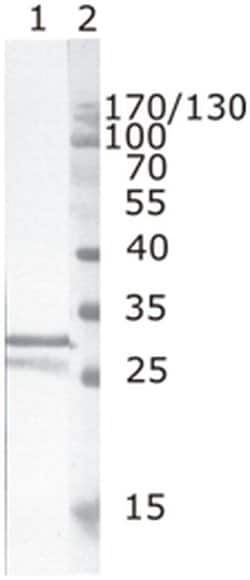
ChIP Assay, ELISA, Western Blot
Clone
7
Conjugate
Unconjugated
Gene Alias
HIV-1 Tat
Immunogen
Recombinant Tat protein of HIV-1 BH10 purified from E. coli
Quantity
100 μg
Primary or Secondary
Primary
Content And Storage
-20° C, Avoid Freeze/Thaw Cycles
Form
Liquid
Related Products



Description
- This antibody reacts with HIV-1 Tat BH10, IIIB strains
- This antibody reacts with the rTat consensus sequences of HIV-1 subtypes A (PNLEPWH), B (PRLEPWK) and C (PNLEPWN)
- It has been mapped to amino acids 6-12 (PRLEPWK - B subtype a.a
- consensus)
- MA1-71509 can be used for chromatin immunoprecipitation (ChIP) analysis of HIV1 Tat
- This clone may also be referred to as 7 (02-002)
- HIV-1 Tat ("eTrans-Activator of Transcription"e) consists of 86 to 101 amino acids depending on the subtype
- Tat is critical to HIV reproduction by way of compensating for a defect in its genome: the HIV RNA initially has a hairpin-structured portion which prevents full transcription from occurring
- However, a small number of RNA transcripts will be made, which allow the Tat protein to be produced
- Tat then binds to and phosphorylates cellular factors, eliminating the effect of the hairpin RNA structure and allowing transcription of the HIV RNA
- This increases the rate of transcription, providing a positive feedback cycle
- The protein is released by infected cells in culture, and is found in the blood of HIV-1 infected patients.