MA183152
E. coli J5 LPS Monoclonal Antibody (2D7/1), Invitrogen™
Manufacturer: Thermo Scientific
Select a Size
| Pack Size | SKU | Availability | Price |
|---|---|---|---|
| Each of 1 | MA183152-Each-of-1 | In Stock | ₹ 50,685.50 |
MA183152 - Each of 1
In Stock
Quantity
1
Base Price: ₹ 50,685.50
GST (18%): ₹ 9,123.39
Total Price: ₹ 59,808.89
Antigen
E. coli J5 LPS
Classification
Monoclonal
Concentration
0.5 mg/mL
Formulation
PBS with <0.1% sodium azide
Host Species
Mouse
Purification Method
Protein G
Regulatory Status
RUO
Target Species
Bacteria
Product Type
Antibody
Isotype
IgG2b
Applications
ELISA, Western Blot
Clone
2D7/1
Conjugate
Unconjugated
Gene Alias
Escherichia coli
Immunogen
E. coli J5 cells.
Quantity
100 μg
Primary or Secondary
Primary
Content And Storage
Store at 4°C short term. For long term storage, store at -20°C, avoiding freeze/thaw cycles.
Form
Liquid
Related Products



Description
- This antibody cross-reacts with K
- pneumoniae and S
- sonnei and S
- typhimurium
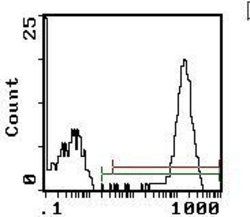
- Mouse anti Escherichia coli J5 LPS antibody, clone 2D7/1 recognizes E
- coli J5 LPS
- The J5 mutant of E
- coli lacks the enzyme uridine diphosphate glucose 4-epimerase and therefore produces an incomplete LPS, deficient in galactose and all the sugars distal to the central polymers
- Escherichia coli (E
- coli) are Gram negative enteric bacteria that live in the human gut
- Its presence in nature is an indication of human feacal pollution
- E
- coli also causes human disease such as urinary tract infections and neonatal meningitis
- Infection with particular enterotoxigenic strains can lead to life threatening intestinal diseases
- E
- coli are distinguished immunologically by serotyping based on three types of antigen: the somatic or O antigen which corresponds to terminal sugars on the cell surface lipopolysaccharide, the capsular or K antigens and the flagellar or H antigens.