GFER Polyclonal Antibody, Invitrogen™
Manufacturer: Thermo Scientific
Select a Size
| Pack Size | SKU | Availability | Price |
|---|---|---|---|
| Each of 1 | PA548256-Each-of-1 | In Stock | ₹ 45,968.50 |
PA548256 - Each of 1
In Stock
Quantity
1
Base Price: ₹ 45,968.50
GST (18%): ₹ 8,274.33
Total Price: ₹ 54,242.83
Antigen
GFER
Classification
Polyclonal
Conjugate
Unconjugated
Gene
Gfer
Gene Alias
ALR; Augmenter of liver regeneration; ERV1; ERV1 homolog; erv1-like growth factor; FAD-linked sulfhydryl oxidase ALR; Gfer; growth factor, augmenter of liver regeneration; growth factor, erv1 (S. cerevisiae)-like (augmenter of liver regeneration); growth factor, erv1 homolog; growth factor, erv1-like (augmenter of liver regeneration); hepatic regenerative stimulation substance; Hepatopoietin; hepatopoietin protein; HERV1; HPO; HPO1; HPO2; HSS; MNCb-0663
Host Species
Rabbit
Purification Method
Ammonium sulfate precipitation
Regulatory Status
RUO
Gene ID (Entrez)
11692, 2671
Content And Storage
-20° C, Avoid Freeze/Thaw Cycles
Form
Liquid
Applications
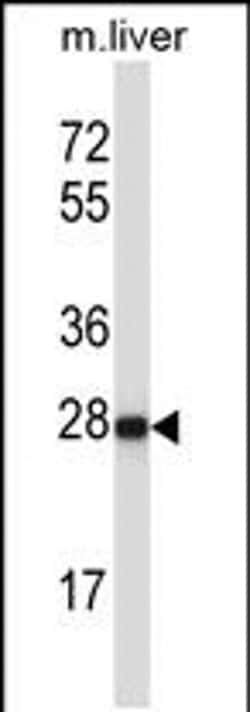
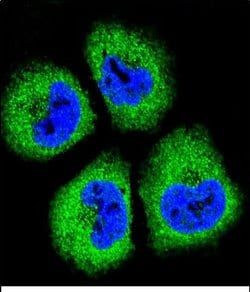
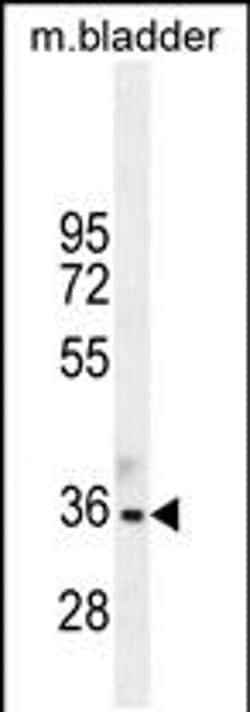
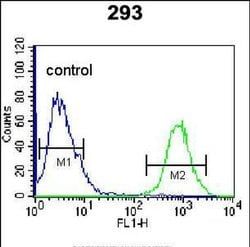
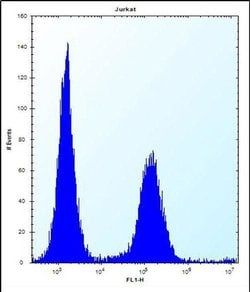
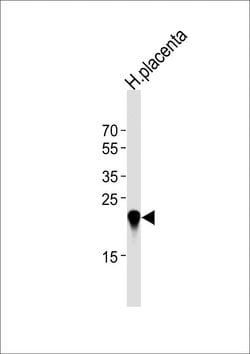
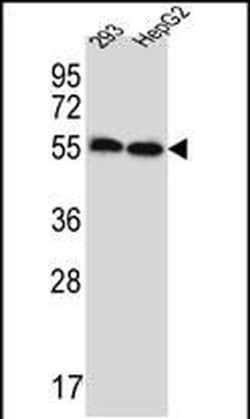
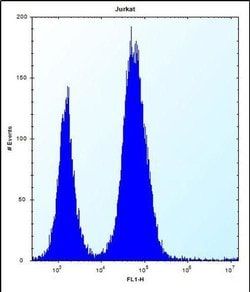
Flow Cytometry, Western Blot
Concentration
2 mg/mL
Formulation
PBS with 0.09% sodium azide
Gene Accession No.
P55789, P56213
Gene Symbols
Gfer
Immunogen
KLH conjugated synthetic peptide between 173-202 amino acids from the C-terminal region of human GFER.
Quantity
400 μL
Primary or Secondary
Primary
Target Species
Human, Mouse
Product Type
Antibody
Isotype
IgG
Related Products
Description
- Isoform 1: FAD-dependent sulfhydryl oxidase that regenerates the redox-active disulfide bonds in CHCHD4/MIA40, a chaperone essential for disulfide bond formation and protein folding in the mitochondrial intermembrane space
- The reduced form of CHCHD4/MIA40 forms a transient intermolecular disulfide bridge with GFER/ERV1, resulting in regeneration of the essential disulfide bonds in CHCHD4/MIA40, while GFER/ERV1 becomes re- oxidized by donating electrons to cytochrome c or molecular oxygen.