Phospho-Huntingtin (Ser421) Polyclonal Antibody, Invitrogen™
Manufacturer: Thermo Scientific
Select a Size
| Pack Size | SKU | Availability | Price |
|---|---|---|---|
| Each of 1 | PIPA1087-Each-of-1 | In Stock | ₹ 51,620.00 |
PIPA1087 - Each of 1
In Stock
Quantity
1
Base Price: ₹ 51,620.00
GST (18%): ₹ 9,291.60
Total Price: ₹ 60,911.60
Antigen
Phospho-Huntingtin (Ser421)
Classification
Polyclonal
Conjugate
Unconjugated
Gene
Htt
Gene Alias
AI256365; C430023I11Rik; Hd; HD protein; HD protein homolog; Hdh; HTT; Huntingtin; huntingtin (Huntington disease); Huntingtin, myristoylated N-terminal fragment; Huntington disease gene homolog; huntington disease protein; huntington disease protein homolog; IT15; solute carrier family 6 (neurotransmitter transporter, serotonin), member 4
Host Species
Rabbit
Purification Method
Affinity chromatography
Regulatory Status
RUO
Gene ID (Entrez)
15194, 3064
Content And Storage
-20°C
Form
Liquid
Applications
Immunocytochemistry, Immunohistochemistry, Western Blot
Concentration
0.24 mg/mL
Formulation
PBS with 1mg/mL BSA and 0.05% sodium azide
Gene Accession No.
P42858, P42859
Gene Symbols
Htt
Immunogen
Synthetic phosphopeptide conjugated to KLH corresponding to residues GGRSRSG(pS)IVELI (414-426) of Human HTT
Quantity
100 μL
Primary or Secondary
Primary
Target Species
Human, Mouse
Product Type
Antibody
Isotype
IgG
Related Products
Description
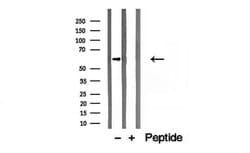
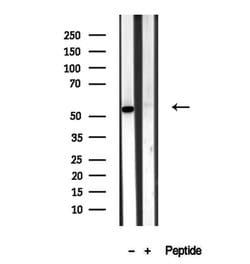
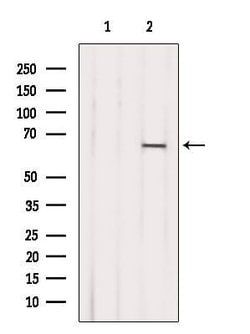
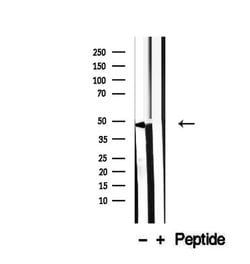
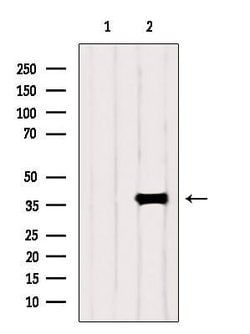
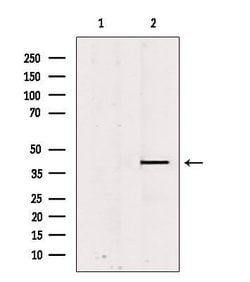
- Description PA1-087 has been successfully used in immunofluorescence, immunohistochemistry, and Western blotting applications on human and mouse samples
- Huntingtin is a disease gene linked to Huntington's disease (HD), a neurodegenerative disorder characterized by loss of striatal neurons
- This is thought to be caused by an expanded, unstable trinucleotide repeat in the huntingtin gene, which translates as a polyglutamine repeat in the protein product
- HD is a mid-life onset autosomal dominant neurodegenerative disease that is characterized by psychiatric disorders, dementia, and involuntary movements (chorea), leading to death in 10-20 years.The huntingtin locus is large, spanning 180 kb and consisting of 67 exons
- The huntingtin gene is widely expressed and is required for normal development
- It is expressed as 2 alternatively polyadenylated forms displaying different relative abundance in various fetal and adult tissues
- The larger transcript is approximately 13.7 kb and is expressed predominantly in adult and fetal brain whereas the smaller transcript of approximately 10.3 kb is more widely expressed
- The genetic defect leading to Huntington's disease may not necessarily eliminate transcription, but may confer a new property on the mRNA or alter the function of the protein.