PIPA5103771
Cystatin D Polyclonal Antibody, Invitrogen™
Manufacturer: Thermo Scientific
Select a Size
| Pack Size | SKU | Availability | Price |
|---|---|---|---|
| Each of 1 | PIPA5103771-Each-of-1 | In Stock | ₹ 46,502.50 |
PIPA5103771 - Each of 1
In Stock
Quantity
1
Base Price: ₹ 46,502.50
GST (18%): ₹ 8,370.45
Total Price: ₹ 54,872.95
Antigen
Cystatin D
Classification
Polyclonal
Conjugate
Unconjugated
Gene
CST5
Gene Alias
CST5; CSTD; cystatin 5; cystatin D; cystatin-5; Cystatin-D; cysteine-proteinase inhibitor; MGC71922
Host Species
Rabbit
Purification Method
Affinity chromatography
Regulatory Status
RUO
Gene ID (Entrez)
1473
Content And Storage
-20°C
Form
Liquid
Applications
Western Blot
Concentration
1 mg/mL
Formulation
PBS with 50% glycerol and 0.02% sodium azide; pH 7.4
Gene Accession No.
P28325
Gene Symbols
CST5
Immunogen
A synthesized peptide derived from human CST5(Accession P28325), corresponding to amino acid residues N87-Y137.
Quantity
100 μL
Primary or Secondary
Primary
Target Species
Human, Mouse
Product Type
Antibody
Isotype
IgG
Related Products

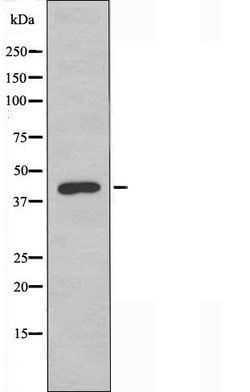
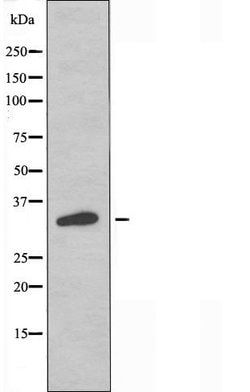
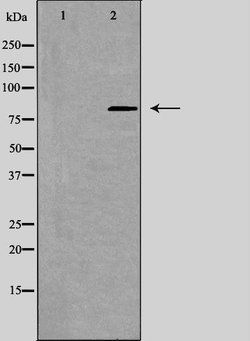
Description
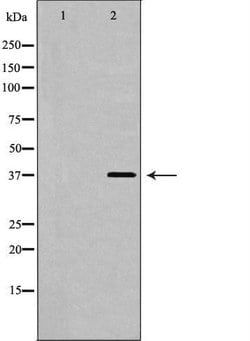
- Antibody detects endogenous levels of total CST5
- The cystatin superfamily encompasses proteins that contain multiple cystatin-like sequences
- Some of the members are active cysteine protease inhibitors, while others have lost or perhaps never acquired this inhibitory activity
- There are three inhibitory families in the superfamily, including the type 1 cystatins (stefins), type 2 cystatins and the kininogens
- The type 2 cystatin proteins are a class of cysteine proteinase inhibitors found in a variety of human fluids and secretions
- The cystatin locus on chromosome 20 contains the majority of the type 2 cystatin genes and pseudogenes
- This gene is located in the cystatin locus and encodes a protein found in saliva and tears
- The encoded protein may play a protective role against proteinases present in the oral cavity.