PIPA5104072
RAB30 Polyclonal Antibody, Invitrogen™
Manufacturer: Thermo Scientific
Select a Size
| Pack Size | SKU | Availability | Price |
|---|---|---|---|
| Each of 1 | PIPA5104072-Each-of-1 | In Stock | ₹ 46,502.50 |
PIPA5104072 - Each of 1
In Stock
Quantity
1
Base Price: ₹ 46,502.50
GST (18%): ₹ 8,370.45
Total Price: ₹ 54,872.95
Antigen
RAB30
Classification
Polyclonal
Conjugate
Unconjugated
Gene
RAB30
Gene Alias
5033421K01Rik; AI323892; EGK_06727; Rab30; RAB30, member RAS oncogene family; ras-related protein Rab-30; Rsb30
Host Species
Rabbit
Purification Method
Affinity chromatography
Regulatory Status
RUO
Gene ID (Entrez)
27314, 308821, 75985
Content And Storage
-20°C
Form
Liquid
Applications
Immunocytochemistry, Immunohistochemistry (Paraffin), Western Blot
Concentration
1 mg/mL
Formulation
PBS with 50% glycerol and 0.02% sodium azide; pH 7.4
Gene Accession No.
Q15771, Q923S9
Gene Symbols
RAB30
Immunogen
A synthesized peptide derived from human RAB30(Accession Q15771), corresponding to amino acid residues C168-N203.
Quantity
100 μL
Primary or Secondary
Primary
Target Species
Human, Mouse, Rat
Product Type
Antibody
Isotype
IgG
Related Products

Description
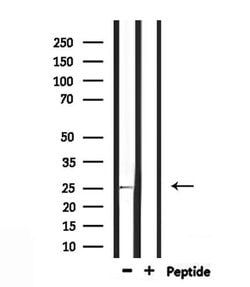
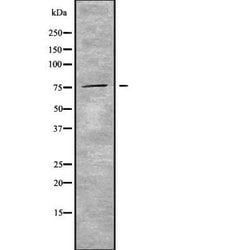
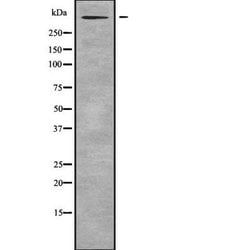
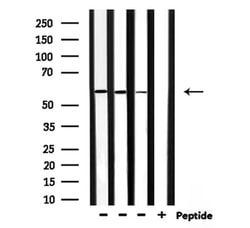
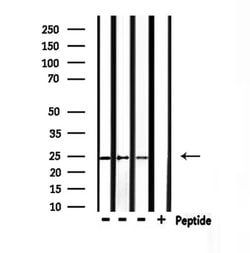
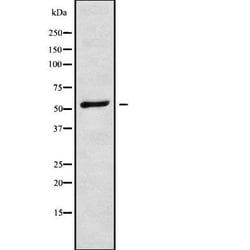
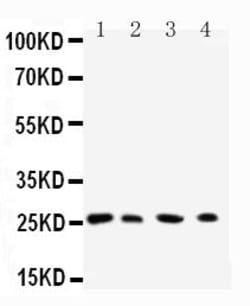
- Antibody detects endogenous levels of total RAB30
- RAB30 (Ras-related protein Rab-30) encodes for small GTPases Rab which are key regulators of intracellular membrane trafficking, from the formation of transport vesicles to their fusion with membranes
- Rabs cycle between an inactive GDP-bound form and an active GTP-bound form that is able to recruit to membranes different set of downstream effectors directly responsible for vesicle formation, movement, tethering and fusion
- Required for maintaining the structural integrity of the Golgi apparatus, possibly by mediating interactions with cytoplasmic scaffolding proteins.