PIPA5121554
TDH Polyclonal Antibody, Invitrogen™
Manufacturer: Thermo Scientific
Select a Size
| Pack Size | SKU | Availability | Price |
|---|---|---|---|
| Each of 1 | PIPA5121554-Each-of-1 | In Stock | ₹ 17,346.10 |
PIPA5121554 - Each of 1
In Stock
Quantity
1
Base Price: ₹ 17,346.10
GST (18%): ₹ 3,122.298
Total Price: ₹ 20,468.398
Antigen
TDH
Classification
Polyclonal
Conjugate
Unconjugated
Gene
TDH
Gene Alias
L-Threonine Dehydrogenase
Host Species
Rabbit
Purification Method
Antigen affinity chromatography
Regulatory Status
RUO
Gene ID (Entrez)
157739
Content And Storage
-20°C
Form
Liquid
Applications
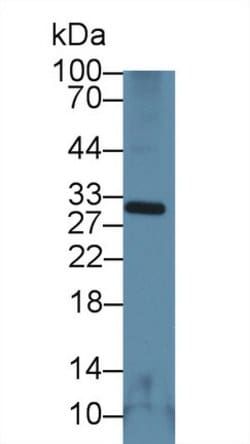
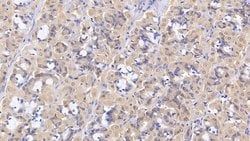
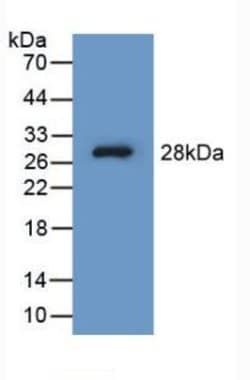
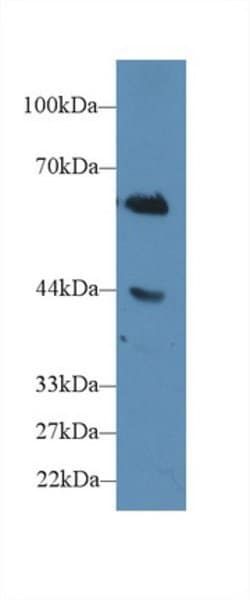
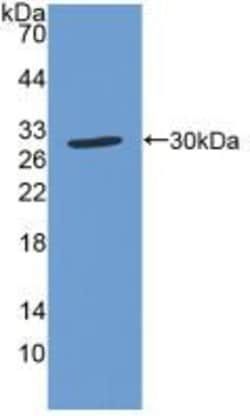
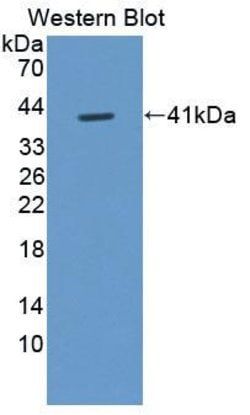
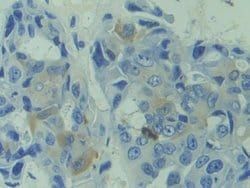
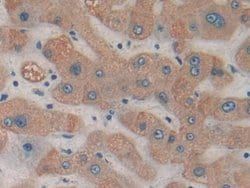
Immunohistochemistry (Paraffin), Western Blot
Concentration
0.29 mg/mL
Formulation
PBS with 50% glycerol and 0.05% ProClin 300
Gene Accession No.
Q8IZJ6
Gene Symbols
TDH
Immunogen
Recombinant protein L-Threonine Dehydrogenase. The antigen corresponds to amino acid range 1-229 of the target protein.
Quantity
20 μL
Primary or Secondary
Primary
Target Species
Human
Product Type
Antibody
Isotype
IgG
Related Products
Description
- This gene appears to be an evolving pseudogene of L-threonine 3-dehydrogenase (TDH)
- In both prokaryotes and eukaryotes, TDH catalyzes the first of two steps in one of two L-threonine degradation pathways
- However, in human, the single gene with sequence similarity to TDH is not capable of encoding a functional TDH protein; the predicted protein lacks most of the C-terminus and parts of the NAD+ binding motif when compared to other species' TDH proteins
- This suggests that the human gene is therefore a pseudogene
- Transcripts of this gene are found in all tissues and alternatively spliced transcripts have been described
- It is not known if these transcripts are translated, or if the possible protein product provides any functional role.