PIPA523257
Embigin Polyclonal Antibody, Invitrogen™
Manufacturer: Thermo Scientific
Select a Size
| Pack Size | SKU | Availability | Price |
|---|---|---|---|
| Each of 1 | PIPA523257-Each-of-1 | In Stock | ₹ 48,905.50 |
PIPA523257 - Each of 1
In Stock
Quantity
1
Base Price: ₹ 48,905.50
GST (18%): ₹ 8,802.99
Total Price: ₹ 57,708.49
Antigen
Embigin
Classification
Polyclonal
Conjugate
Unconjugated
Gene
EMB
Gene Alias
AL022799; EMB; Embigin; embigin homolog; glycoprotein 70; Gp70; Teratocarcinoma glycoprotein Gp-70
Host Species
Rabbit
Purification Method
Protein A
Regulatory Status
RUO
Gene ID (Entrez)
133418, 13723
Content And Storage
-20° C, Avoid Freeze/Thaw Cycles
Form
Liquid
Applications
Western Blot
Concentration
0.5 mg/mL
Formulation
PBS with 0.05% BSA and 0.05% sodium azide
Gene Accession No.
P21995, Q6PCB8
Gene Symbols
EMB
Immunogen
A portion of amino acids 130-180 of human Embigin
Quantity
100 μg
Primary or Secondary
Primary
Target Species
Human, Mouse
Product Type
Antibody
Isotype
IgG
Related Products
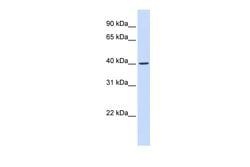
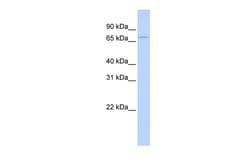
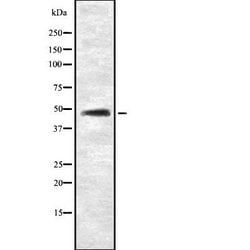

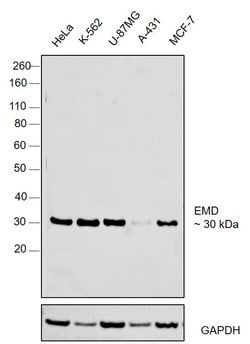
Description
- Embigin is a 327 amino acid regulatory protein belonging to the immunoglobulin superfamily class of CAMs, and has two Ig-like (immunoglobulin-like) V- type domains
- In situ hybridization analysis shows that Embigin has specific carbohydrate epitopes and plays an important role in early postimplantation embryogenesis
- A highly glycosylated transmembrane glycoprotein, Embigin acts as a regulator of cell/ECM interactions during development and homeostasis of normal adult tissues
- Transfection studies suggest its role in promotion of integrin-mediated cell-substratum adhesion
- Widely expressed in most of the tissues and embryonal carcinoma cells, prostate and mammary cancer cell lines, it may also help in the classification of human carcinomas.