PIPA526394
IL-31 Polyclonal Antibody, Invitrogen™
Manufacturer: Thermo Scientific
Select a Size
| Pack Size | SKU | Availability | Price |
|---|---|---|---|
| Each of 1 | PIPA526394-Each-of-1 | In Stock | ₹ 48,905.50 |
PIPA526394 - Each of 1
In Stock
Quantity
1
Base Price: ₹ 48,905.50
GST (18%): ₹ 8,802.99
Total Price: ₹ 57,708.49
Antigen
IL-31
Classification
Polyclonal
Conjugate
Unconjugated
Gene
Il31
Gene Alias
1700013B14Rik; IL31; IL-31; ILN; Interleukin; interleukin 31; interleukin-31
Host Species
Rabbit
Purification Method
Protein A
Regulatory Status
RUO
Gene ID (Entrez)
386653
Content And Storage
-20° C, Avoid Freeze/Thaw Cycles
Form
Liquid
Applications
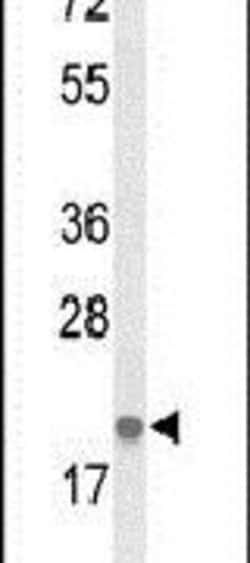
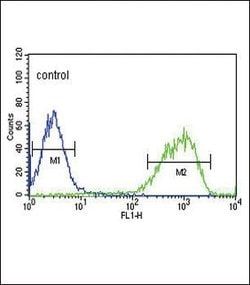
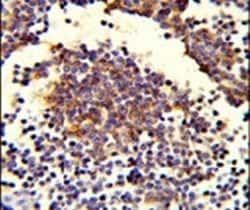
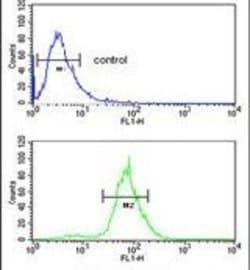
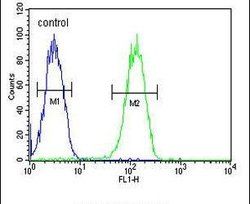
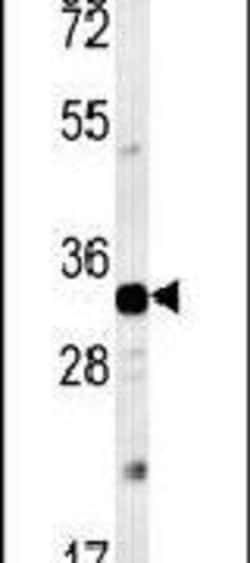
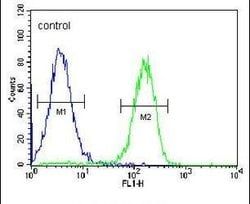
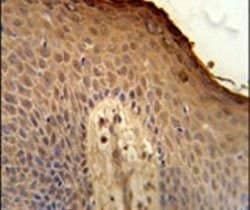
Flow Cytometry, Immunohistochemistry (Paraffin), Western Blot
Concentration
0.5 mg/mL
Formulation
PBS with 0.09% sodium azide
Gene Accession No.
Q6EBC2
Gene Symbols
Il31
Immunogen
KLH conjugated synthetic peptide between 13-40 amino acids from the N-terminal region of human IL31
Quantity
400 μL
Primary or Secondary
Primary
Target Species
Human
Product Type
Antibody
Isotype
IgG
Related Products
Description
- Interleukin-31 (IL-31) is a recently discovered T-cell cytokine closely related to IL-6 type cytokines and is preferentially produced by T helper type 2 cells
- IL-31 activity is mediated through the ligand-induced oligomerization of a dimeric receptor complex containing IL-31 receptor A and oncostatin M receptor
- In response to IL-31 binding, these proteins activate the JAK/STAT and the AKT signaling pathways
- RNA levels of IL-31 receptor A and oncostatin M receptor are induced in activated monocytes but are expressed constitutively in epithelial cells
- IL-31, when overexpressed in transgenic mice, results in the development of pruritis, alopecia, and skin lesions and in humans may result in atopic dermatitis, suggesting that IL-31 may represent a novel target for antipruritic drug development.