LCAT Polyclonal Antibody, Invitrogen™
Manufacturer: Thermo Scientific
Select a Size
| Pack Size | SKU | Availability | Price |
|---|---|---|---|
| Each of 1 | PIPA526867-Each-of-1 | In Stock | ₹ 46,502.50 |
PIPA526867 - Each of 1
In Stock
Quantity
1
Base Price: ₹ 46,502.50
GST (18%): ₹ 8,370.45
Total Price: ₹ 54,872.95
Antigen
LCAT
Classification
Polyclonal
Conjugate
Unconjugated
Gene
LCAT
Gene Alias
AI046659; D8Wsu61e; Lcat; lecithin cholesterol acyltransferase; lecithin-cholesterol acyltransferase; lecithin-cholesterol acyltransferase Lcat; phosphatidylcholine-sterol acyltransferase; phosphatidylcholine--sterol O-acyltransferase; Phospholipid-cholesterol acyltransferase; testicular secretory protein Li 24
Host Species
Rabbit
Purification Method
Antigen affinity chromatography, Protein A
Regulatory Status
RUO
Gene ID (Entrez)
3931
Content And Storage
-20° C, Avoid Freeze/Thaw Cycles
Form
Liquid
Applications
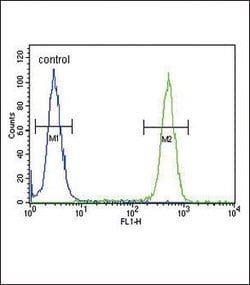
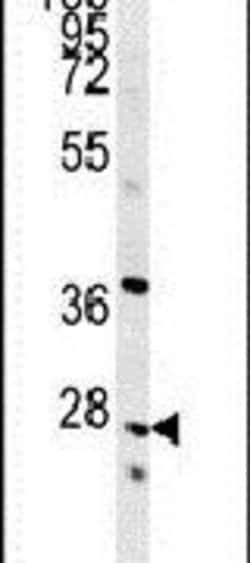
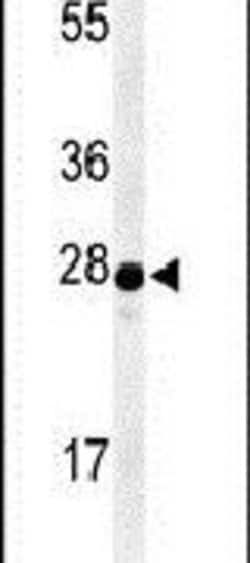
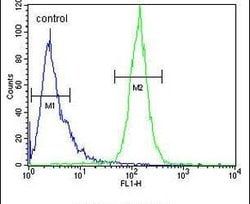
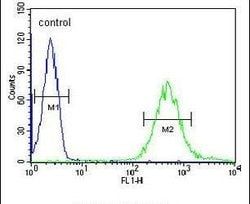
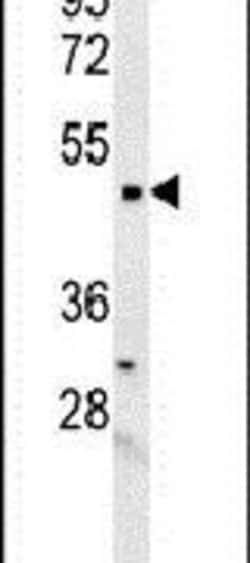
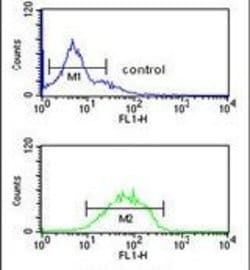
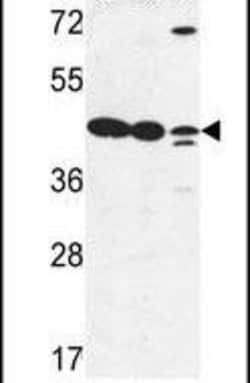
Flow Cytometry, Immunocytochemistry, Immunohistochemistry (Paraffin), Western Blot
Concentration
0.5 mg/mL
Formulation
PBS with 0.09% sodium azide
Gene Accession No.
P04180
Gene Symbols
LCAT
Immunogen
KLH conjugated synthetic peptide between 285-313 amino acids from the central region of human LCAT
Quantity
400 μL
Primary or Secondary
Primary
Target Species
Human
Product Type
Antibody
Isotype
IgG
Related Products
Description
- Lecithin: cholesterol acyltransferase (LCAT) is the plasma enzyme responsible for most HDL cholesteryl esters in human plasma
- In species with cholesteryl ester transfer protein (CETP) it is also responsible for a significant proportion of VLDL and LDL cholesteryl esters
- LCAT, through the esterification of cholesterol, plays a role in the reverse cholesterol transport pathway by facilitating the net movement of cholesterol from peripheral tissues back to the liver for excretion
- LCAT deficiency results in low levels of plasma HDL, whereas a transgenic overexpression of LCAT results in increased plasma HDL concentrations.