ABC927MI
MilliporeSigma™ Rabbit anti-LDHB, Polyclonal,
Manufacturer: MilliporeSigma™
Select a Size
| Pack Size | SKU | Availability | Price |
|---|---|---|---|
| Each of 1 | ABC927MI-Each-of-1 | In Stock | ₹ 42,968.31 |
ABC927MI - Each of 1
In Stock
Quantity
1
Base Price: ₹ 42,968.31
GST (18%): ₹ 7,734.296
Total Price: ₹ 50,702.606
Antigen
LDHB
Classification
Polyclonal
Gene Accession No.
P07195
Host Species
Rabbit
Purification Method
Affinity Purified
Regulatory Status
RUO
Primary or Secondary
Primary
Target Species
Human
Applications
Immunohistochemistry (Paraffin), Western Blot
Formulation
Purified rabbit polyclonal antibody in buffer containing 0.1M Tris-Glycine (pH 7.4), 150mM NaCl with 0.05% sodium azide.
Gene Symbols
LDHB
Immunogen
KLH-conjugated linear peptide corresponding to human LDHB sequence from the C-terminal half.
Quantity
100 μg
Research Discipline
Apoptosis, Cancer
Gene ID (Entrez)
NP_002291
Content And Storage
Stable for one year at 2°C to 8°C from date of receipt.
Related Products
Description
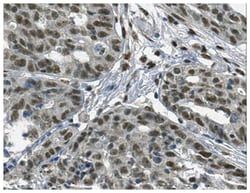
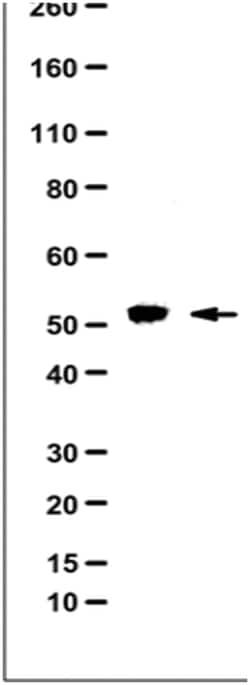
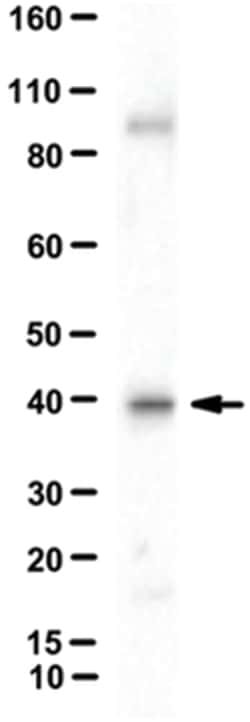
- Specifically detects LDHB in Human samples, and it is validated for Immunohistochemistry (Paraffin), Western Blotting L-lactate dehydrogenase B chain (EC 1.1.1.27; UniProt P07195; also known as Epididymis secretory protein Li 281, Lactate dehydrogenase H chain, LDH-B, LDH-H, LDH heart subunit, Renal carcinoma antigen NY-REN-46) is encoded by the LDHB (also known as LDHBD, TRG-5, HEL-S-281) gene (Gene ID 3945) in human
- Originally described by Otto Warburg and now commonly known as the Warburg effect refers to the phenomenon that many tumor cells use aerobic glycolysis instead of mitochondrial respiration for energy production to support cell growth and proliferation
- Enzymes involved in the complex network of metabolic pathways are therefore being studied as potential targets for cancer treatment
- Lactate dehydrogenase (LDH) is a tetrameric enzyme composed of two different subunits, LDHA and LDHB, which can assemble into five different combinations (LDH1 is comprised of four LDHB subunits; LDH2 contains three LDHB and one LDHA subunit; LDH3 contains two LDHB and two LDHA subunits; LDH4 contains one LDHB and three LDHA subunits; LDH5 contains four LDHA subunits)
- LDHB is ubiquitously expressed and the predominant isoform in heart muscle, while LDHA is the predominant isoform in skeletal muscle and other highly glycolytic tissues
- LDH catalyzes the reversible conversion of pyruvate into lactate
- An upregulation of LDH therefore reduces the oxygen dependency and ensures an efficient anaerobic/glycolytic metabolism in tumor cells
- Serum LDHB levels, for example, are reported to elevate in lung cancer patients and progressively increase with the clinical stage of non-small cell lung cancer (NSCLC).