ABE1408MI
MilliporeSigma™ Rabbit anti-DNA polymerase beta, Polyclonal,
Manufacturer: MilliporeSigma™
Select a Size
| Pack Size | SKU | Availability | Price |
|---|---|---|---|
| Each of 1 | ABE1408MI-Each-of-1 | In Stock | ₹ 37,706.63 |
ABE1408MI - Each of 1
In Stock
Quantity
1
Base Price: ₹ 37,706.63
GST (18%): ₹ 6,787.193
Total Price: ₹ 44,493.823
Antigen
DNA polymerase beta
Classification
Polyclonal
Gene Accession No.
P06746
Host Species
Rabbit
Purification Method
Affinity Purified
Regulatory Status
RUO
Primary or Secondary
Primary
Target Species
Human, Mouse, Rat
Applications
Immunohistochemistry, Western Blot
Formulation
Purified rabbit polyclonal antibody in buffer containing 0.1M Tris-Glycine (pH 7.4), 150mM NaCl with 0.05% sodium azide.
Gene Symbols
POLB
Immunogen
KLH-conjugated linear peptide corresponding to the C-terminus of human DNA polymerase beta.
Quantity
100 μg
Research Discipline
Epigenetics and Nuclear Function
Gene ID (Entrez)
NP_002681
Content And Storage
Stable for one year at 2°C to 8°C from date of receipt.
Related Products

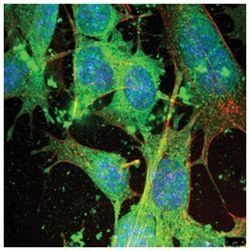
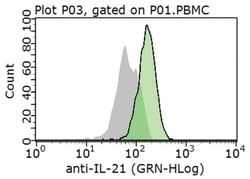
Description
- Specifically detects DNA polymerase beta in Human, Mouse, Rat samples, and it is validated for Immunohistochemistry, Western Blotting DNA polymerase beta (EC 2.7.7.7; UniProt P06746; also known as DNA pol beta, DNA polymerase beta subunit) is encoded by the POLB gene (Gene ID 5423) in human
- DNA polymerase beta is involved in DNA recombination and base-excision repair (BER)
- Upon oxidative DNA damage, Polb translocates to the nucleus, where it associates with AP endonuclease 1 (Apex) to carry out DNA repair
- Apex makes a single nick 5′ to an abasic site in double-stranded DNA, Polb then inserts the replacement nucleotide(s)
- Aberrant POLB overexpression results in an increased rate of spontaneous mutagenesis and a highly mutagenic tolerance phenotype
- Thirty percent of all tumors are reported to harbor mutations in the POLB gene.